Spermidine for skin, hair and nails
Spermidine beauty benefits
Spermidine supports the beauty you can see by working on the cellular renewal you cannot. Skin, hair, and nails renew faster than almost any tissue in the body, and the cells that build them depend on autophagy, the cellular recycling process spermidine is best known for supporting. When autophagy slows, the fastest-renewing tissues show it first.
Visible aging is not cosmetic in origin: four of the twelve hallmarks of aging write themselves onto your face scalp and nails first.
Understanding the biology
How spermidine supports hair health

How Does the Hair Growth Cycle Work?
Every hair follicle moves through a repeating three-phase cycle:
- Anagen (growth): The follicle actively builds the strand for 2-6 years. The longer it holds this phase, the longer hair can grow.
- Catagen (transition): A brief pause of 2-3 weeks while the follicle retracts. Less than 1% of hair is here at any time.
- Telogen (rest): Follicles rest for 1-4 months, then release the strand to make room for new growth.
With age this cycle can slip out of rhythm, with more follicles resting and shedding at once. That is why supporting the growth phase of your hair follicles matters more than anything done to the visible strand.


In a randomized, placebo-controlled human trial, food-derived spermidine supplementation prolonged the anagen growth phase in healthy participants, giving each strand more time to grow before it sheds and the cycle resets.
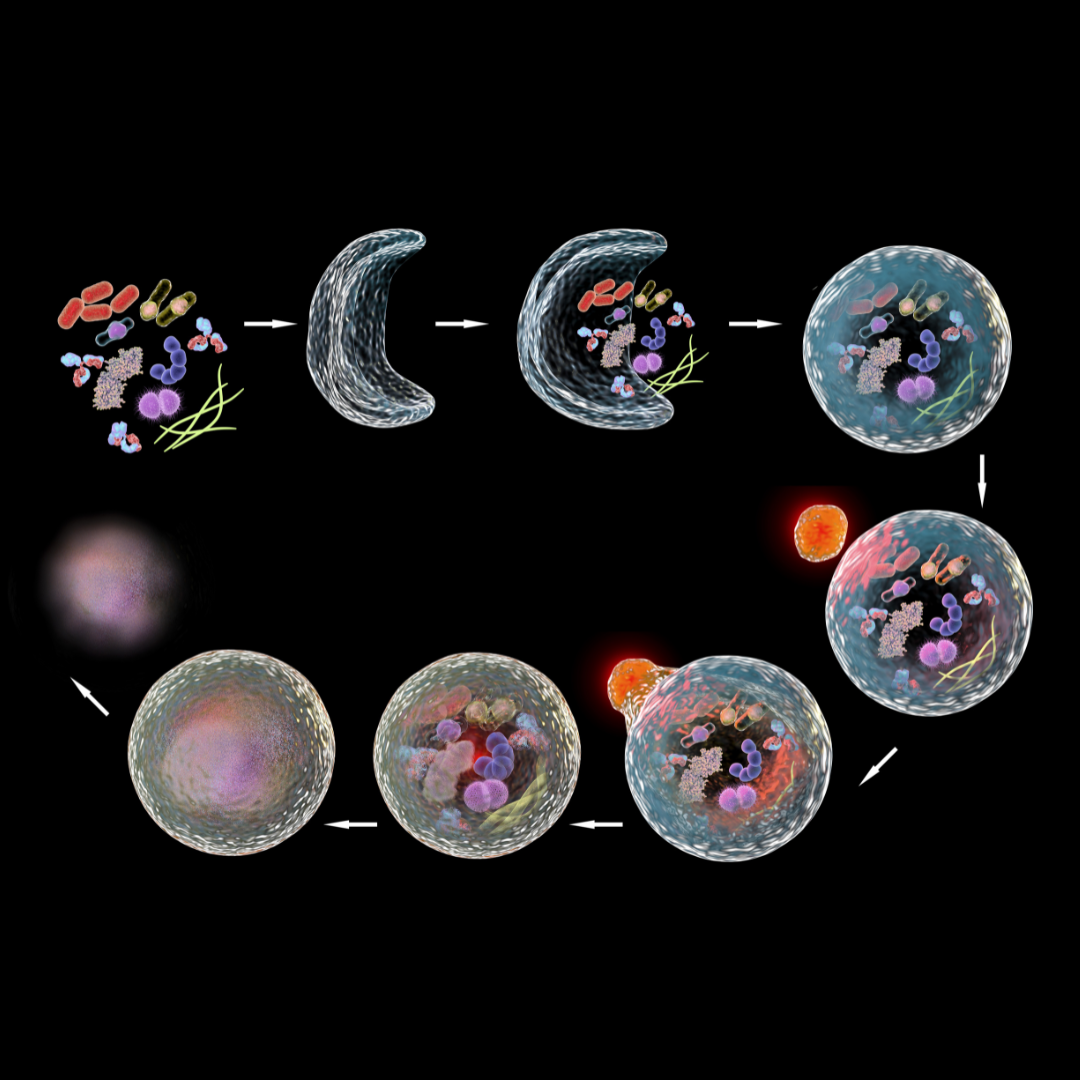
A study using cultured human hair follicles found spermidine promoted hair shaft elongation and increased K15, a marker of follicle epithelial stem cells. Research therefore suggests spermidine acts on the stem cell compartment that renews the hair follicle while extending the anagen phase of the hair growth cycle.

Gray hair occurs when melanocytes in the follicle stop producing pigment, a process linked to accumulated hydrogen peroxide and oxidative stress.
Polyamines including spermidine have shown antioxidant properties in laboratory models. Some of our customers even report repigmentation of hair, (yes, gray hair reversal), though this occurs in only about 30% of clients and depends on many factors.
In a randomized, placebo-controlled human trial, food-derived spermidine supplementation prolonged the anagen growth phase in healthy participants, giving each strand more time to grow before it sheds and the cycle resets.
A study using cultured human hair follicles found spermidine promoted hair shaft elongation and increased K15, a marker of follicle epithelial stem cells. Research therefore suggests spermidine acts on the stem cell compartment that renews the hair follicle while extending the anagen phase of the hair growth cycle.
Gray hair occurs when melanocytes in the follicle stop producing pigment, a process linked to accumulated hydrogen peroxide and oxidative stress.
Polyamines including spermidine have shown antioxidant properties in laboratory models. Some of our customers even report repigmentation of hair, (yes, gray hair reversal), though this occurs in only about 30% of clients and depends on many factors.
Keep your hair follicles in their growth phase

Before

After
Blog posts
Does Spermidine Help With Hair Growth?
Few compounds have generated as much intrigue in their potential for hair growth as spermidine. This little-known polyamine molecule, with its origins tracing back to the microscopic world of cellu...
A Guide To Natural Gray Hair Reversal
As you probably know, gray hair is a common side effect of getting older. But why does this happen? Is it inevitable or can it be prevented or even, reversed?
Understanding the biology
How spermidine supports skin
Collagen gives skin its structure, and it is one of the most demanding proteins a cell can build. Its long, proline-rich chains stall the cell's protein machinery unless a factor called eIF5A keeps production moving. This factor is switched on by spermidine.

Dermal fibroblasts build the collagen and elastin that give skin its structure. Research shows autophagy is required for these cells to maintain protein quality and keep producing collagen efficiently. When autophagy is impaired in fibroblasts, collagen output and cellular resilience both decline.
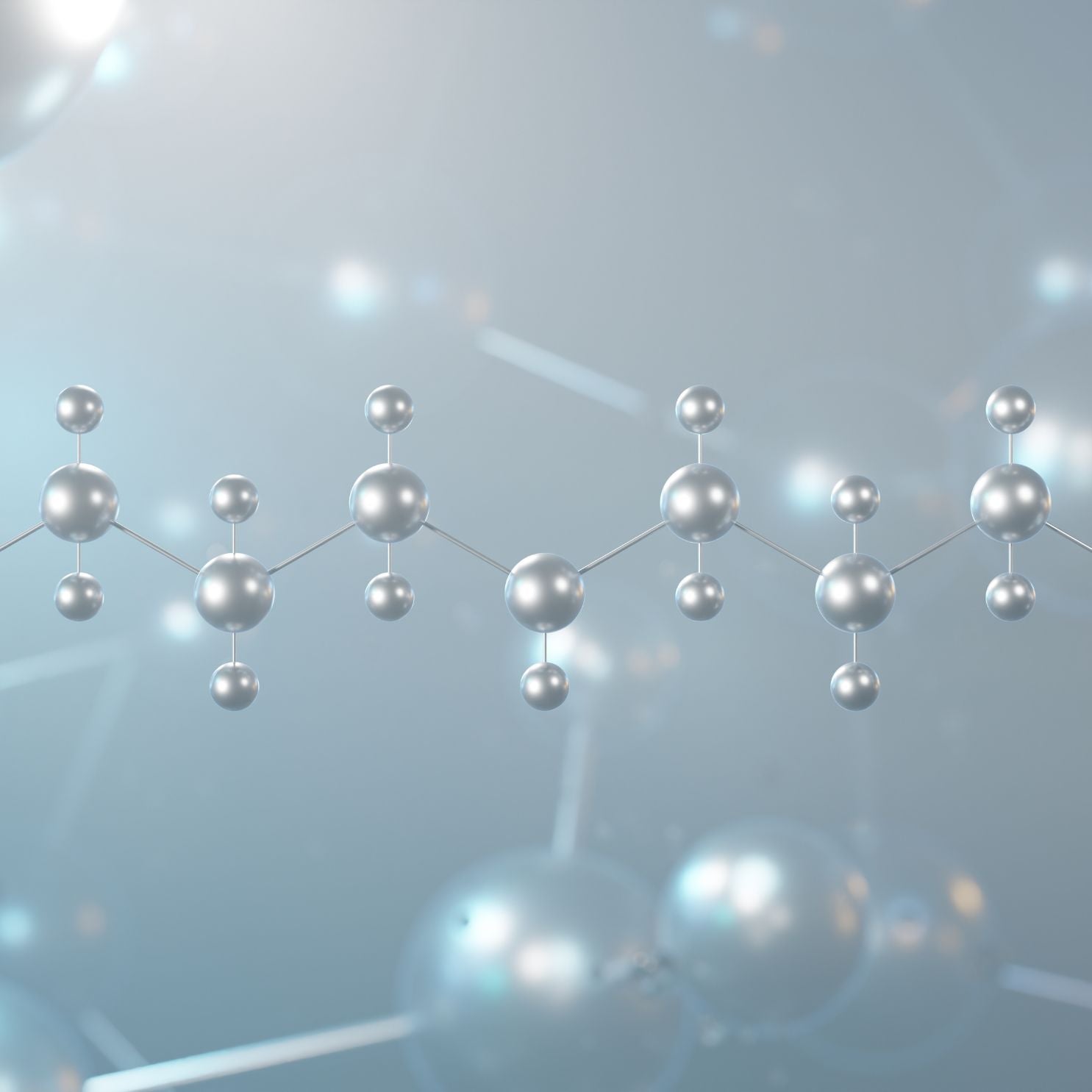
Collagen is one of the most demanding proteins a cell can build, and its long, proline-rich chains stall the cell's protein machinery unless a factor called eIF5A keeps production moving. EIF5A is switched on by hypusine, a rare amino acid the body can only make from spermidine.

Early research points beyond structure to function: a 2021 study reported spermidine supported recovery of dermal structure and barrier function, and separate work found it accelerated skin wound healing in pre-clinical models.
Dermal fibroblasts build the collagen and elastin that give skin its structure. Research shows autophagy is required for these cells to maintain protein quality and keep producing collagen efficiently. When autophagy is impaired in fibroblasts, collagen output and cellular resilience both decline.
Collagen is one of the most demanding proteins a cell can build, and its long, proline-rich chains stall the cell's protein machinery unless a factor called eIF5A keeps production moving. EIF5A is switched on by hypusine, a rare amino acid the body can only make from spermidine.
Early research points beyond structure to function: a 2021 study reported spermidine supported recovery of dermal structure and barrier function, and separate work found it accelerated skin wound healing in pre-clinical models.
Blog posts

Spermidine is at the forefront of anti-aging research, offering significant promise for aesthetic and systemic health applications. By addressing aging at the cellular level, Primeadine supports th...
Spermidine for Skin: How This Polyamine Supports Skin Health
Today we're diving into an exciting topic that's been making waves in the skin-care world: spermidine. While it might not be the first thing you think of when considering skincare, this naturally ...
Autophagy Benefits for Skin Radiance & Renewal
I don’t need to tell you that there are several industries focused on selling you things to improve your skin or at least to look younger and better. From skin care and makeup, cosmetic surgeries a...

Spermidine and Nail Health
Nails are built from keratin by the nail matrix, a bed of rapidly dividing cells behind the cuticle. These cells run on the same renewal biology spermidine supports in skin and hair: autophagy, keratin production, and steady cell turnover. Nails grow continuously so they can be an early place renewal shows.
Many of our customers report faster nail growth and stronger, more resilient nails. Direct human trials on spermidine and nails are still to come, so we say it plainly: the biology is shared, the reports are real, and the trials have not caught up yet.
Getting consistent spermidine
The body's own spermidine production declines with age, which is precisely when sleep quality tends to suffer most. Restoring levels through food-derived spermidine supplementation is one of the most direct ways to support the cellular environment that restorative sleep depends on.
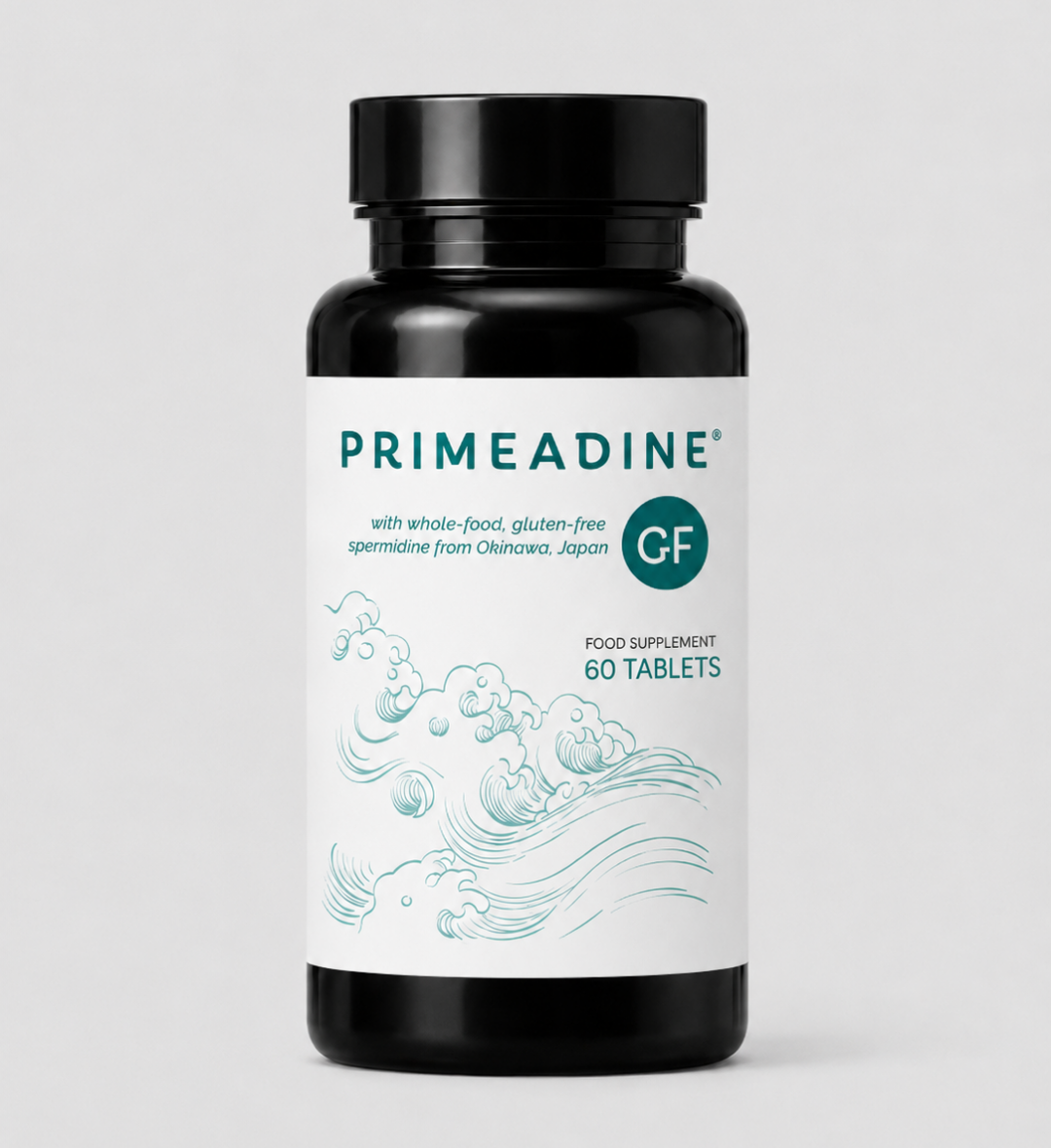
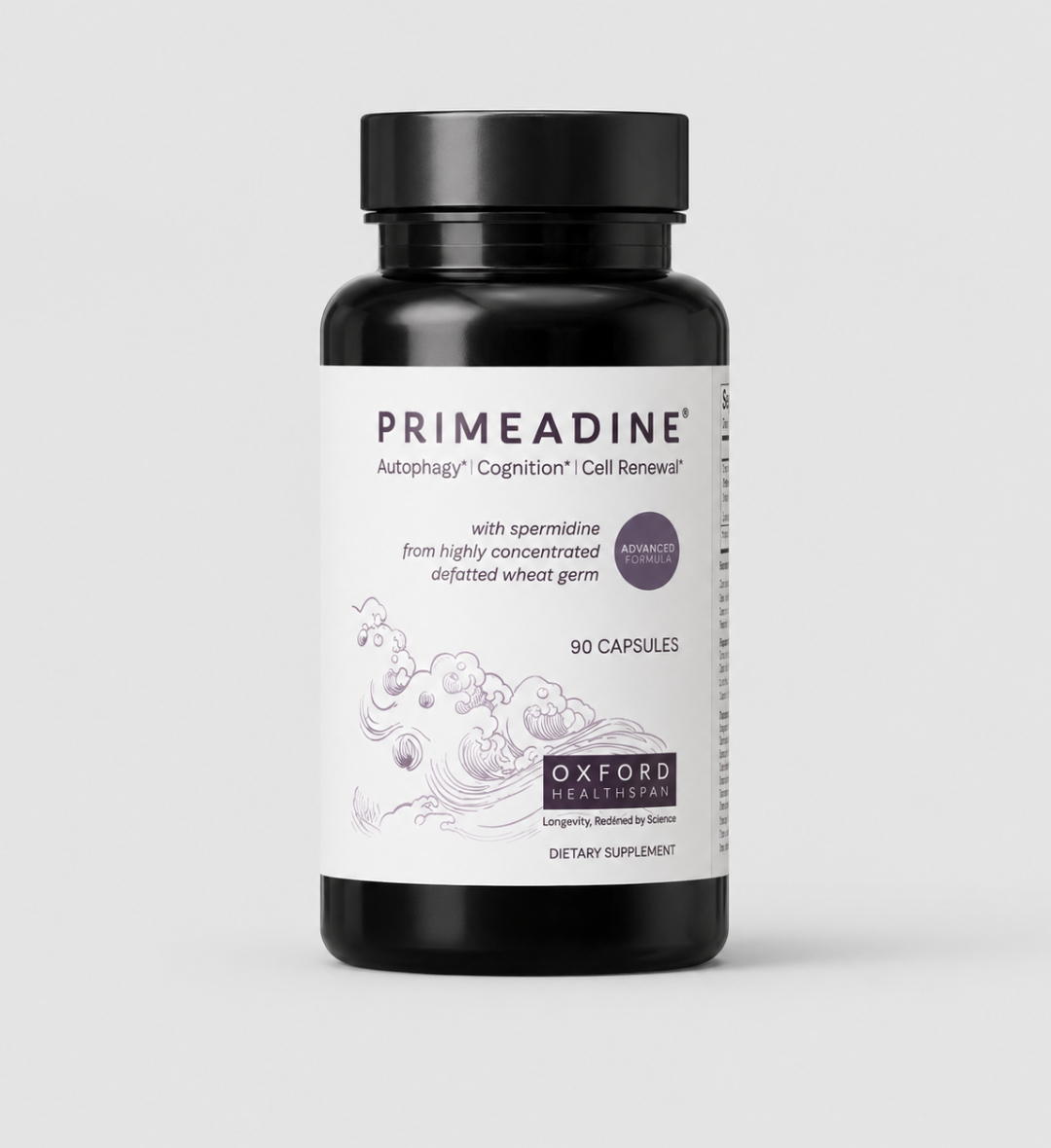
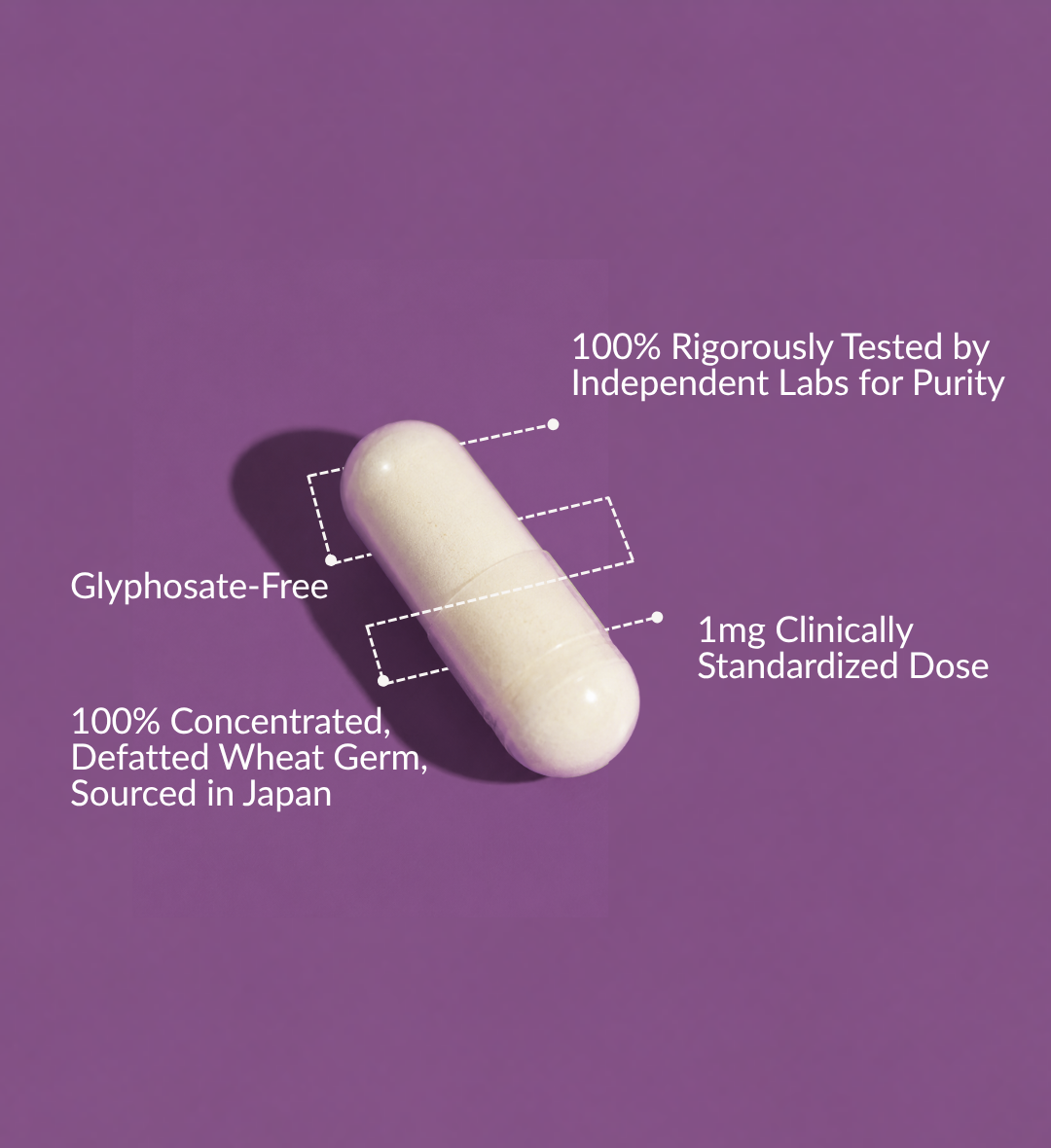
Primeadine is the world's leading whole-food spermidine supplement, derived from Japan and third-party tested for purity and potency. Over a quarter of our customers report improved sleep as one of the first benefits they notice.