Rejuvenate your immune system
Spermidine & Immune Health
Immune function is one of the pillars of healthy aging, governing tissue repair, clearance of worn out cells, and chronic inflammation. It declines through a process called immunosenescence. Spermidine supports autophagy, the cellular recycling process immune cells rely on to stay responsive. Through autophagy upregulation, research suggests spermidine may help maintain the function of aging immune cells and moderate low grade inflammation.

The Immune Network
Your immune system is a distributed, constantly renewing network of cells that patrol, remember, and repair. Like every other system in the body, how well it performs depends on how well those cells maintain themselves and work together.

From roughly the third decade of life, the thymus begins to shrink and the body produces fewer naive T cells. The repertoire narrows. Memory cells take up a larger share of the pool.
The result is a system that responds less flexibly to anything it has not encountered before, and recovers more slowly when it does.
About 70% of the body's immune cells live in the gut, where a single layer of lining separates the immune system from the outside world. Resident microbes train those cells, producing metabolites that signal when to respond and when to stay calm.
When that community tips out of balance, a state called dysbiosis, the signaling skews toward inflammation. An immune system is only as steady as the gut microbiome that trains it, and that ecosystem can be tended at any age.
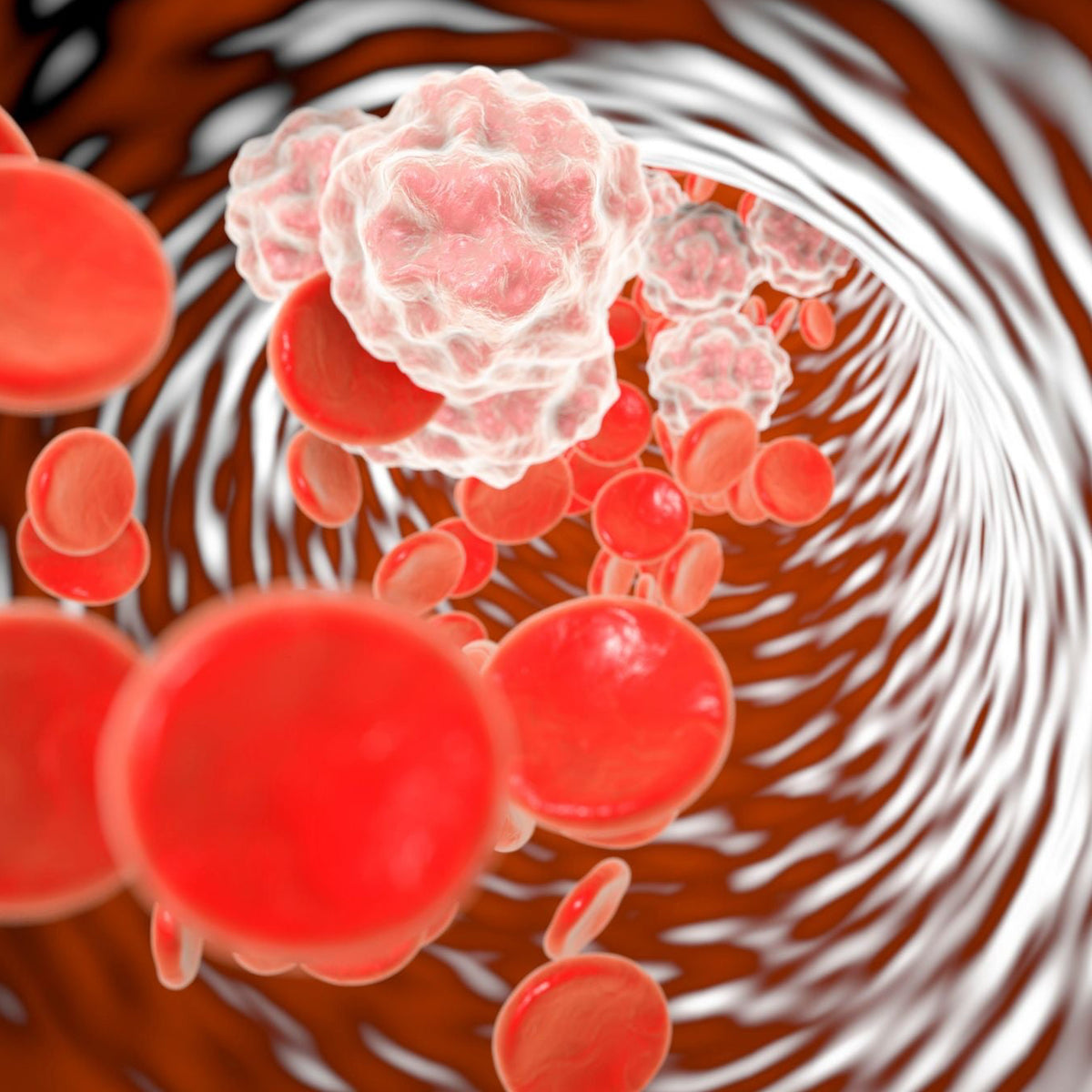
As immune surveillance becomes less precise, low grade inflammatory signaling rises across the body. Researchers call this inflammaging.
Inflammaging is recognized as one of the twelve hallmarks of aging, and it is associated with cardiovascular, metabolic, and cognitive outcomes rather than being confined to immunity alone.
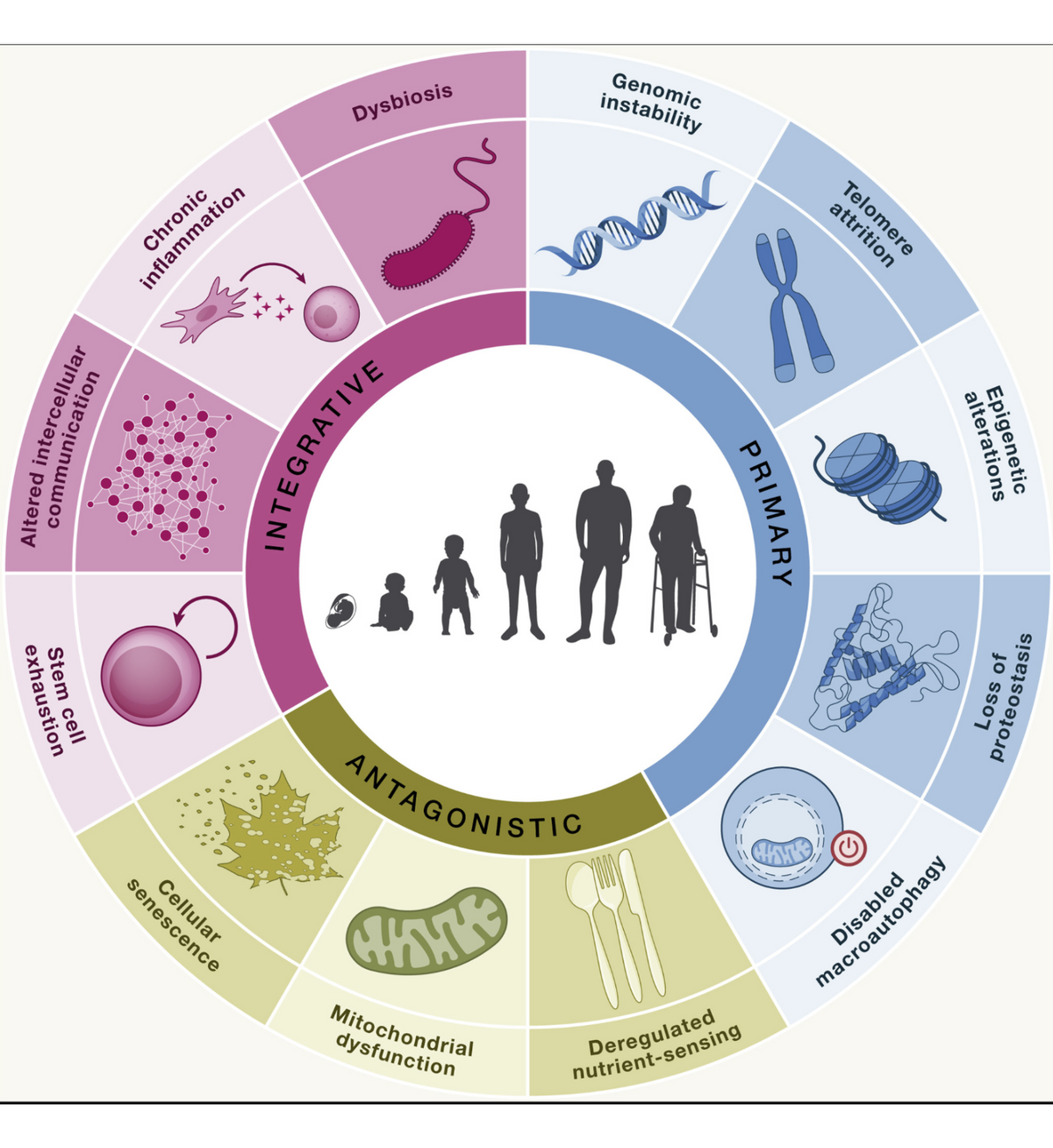
Immune aging does not stand alone. It intersects directly with four of the twelve hallmarks of aging: disabled macroautophagy, chronic inflammation, cellular senescence, and gut dysbiosis.
From roughly the third decade of life, the thymus begins to shrink and the body produces fewer naive T cells. The repertoire narrows. Memory cells take up a larger share of the pool.
The result is a system that responds less flexibly to anything it has not encountered before, and recovers more slowly when it does.
About 70% of the body's immune cells live in the gut, where a single layer of lining separates the immune system from the outside world. Resident microbes train those cells, producing metabolites that signal when to respond and when to stay calm.
When that community tips out of balance, a state called dysbiosis, the signaling skews toward inflammation. An immune system is only as steady as the gut microbiome that trains it, and that ecosystem can be tended at any age.
As immune surveillance becomes less precise, low grade inflammatory signaling rises across the body. Researchers call this inflammaging.
Inflammaging is recognized as one of the twelve hallmarks of aging, and it is associated with cardiovascular, metabolic, and cognitive outcomes rather than being confined to immunity alone.
Immune aging does not stand alone. It intersects directly with four of the twelve hallmarks of aging: disabled macroautophagy, chronic inflammation, cellular senescence, and gut dysbiosis.

How Spermidine Supports Immune Health
Spermidine can act on immune cells through several linked routes: Activating autophagy, supplying the raw material for hypusination of the master builder protein eIF5A, supporting mitochondrial quality control, and helping to maintain the gut barrier where a large share of immune tissue sits.
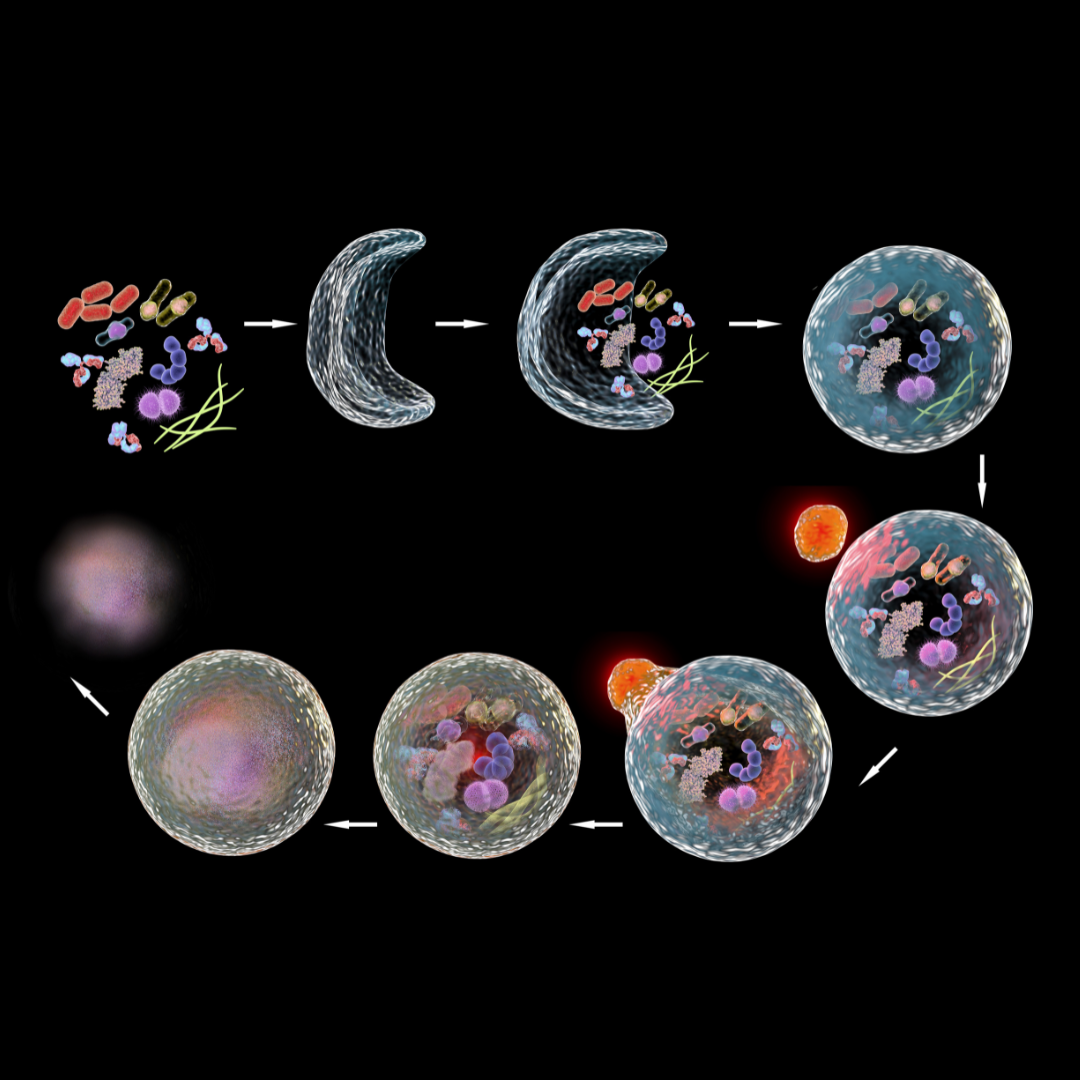
Spermidine induces autophagy in part by inhibiting the acetyltransferase EP300 and activating AMPK, mimicking some of the signals the body produces during fasting. In immune cells, that housekeeping determines whether a cell can clear its own damage and stay functional across decades rather than years.
T cells taken from older donors have been shown to measurably reduced autophagy compared with cells from younger donors, and spermidine restored it. The same work linked autophagic capacity in T cells to how well those cells functioned. Research suggests polyamine availability is one limiting factor in T cell aging.
A large proportion of the body’s immune tissue sits in and around the gut wall. In animal models, spermidine has been shown to support intestinal barrier integrity and to shift microbiome composition. Gut resident bacteria are themselves a source of the spermidine circulating in your body, which makes this relationship reciprocal.

Spermidine is not an immune stimulant, and this distinction matters. Research describes its action as modulatory. In pre-clinical models it has been associated with reduced pro-inflammatory signaling and with support for regulatory T cell populations. The aim is a system that responds proportionately and is restored to balance
Spermidine induces autophagy in part by inhibiting the acetyltransferase EP300 and activating AMPK, mimicking some of the signals the body produces during fasting. In immune cells, that housekeeping determines whether a cell can clear its own damage and stay functional across decades rather than years.
T cells taken from older donors have been shown to measurably reduced autophagy compared with cells from younger donors, and spermidine restored it. The same work linked autophagic capacity in T cells to how well those cells functioned. Research suggests polyamine availability is one limiting factor in T cell aging.
A large proportion of the body’s immune tissue sits in and around the gut wall. In animal models, spermidine has been shown to support intestinal barrier integrity and to shift microbiome composition. Gut resident bacteria are themselves a source of the spermidine circulating in your body, which makes this relationship reciprocal.
Spermidine is not an immune stimulant, and this distinction matters. Research describes its action as modulatory. In pre-clinical models it has been associated with reduced pro-inflammatory signaling and with support for regulatory T cell populations. The aim is a system that responds proportionately and is restored to balance
New research from Oxford University: Evidence for spermidine and immune cell renewal
For the first time, researchers have new human data on something long observed in the lab: spermidine's ability to support renewal in aging immune cells.
How Spermidine Supports Immune Health As You Age
Our immune system is like an invisible shield, working tirelessly to protect us from infections and keep us healthy. But as we get older, this shield can start to weaken, leaving us more vulnerab...
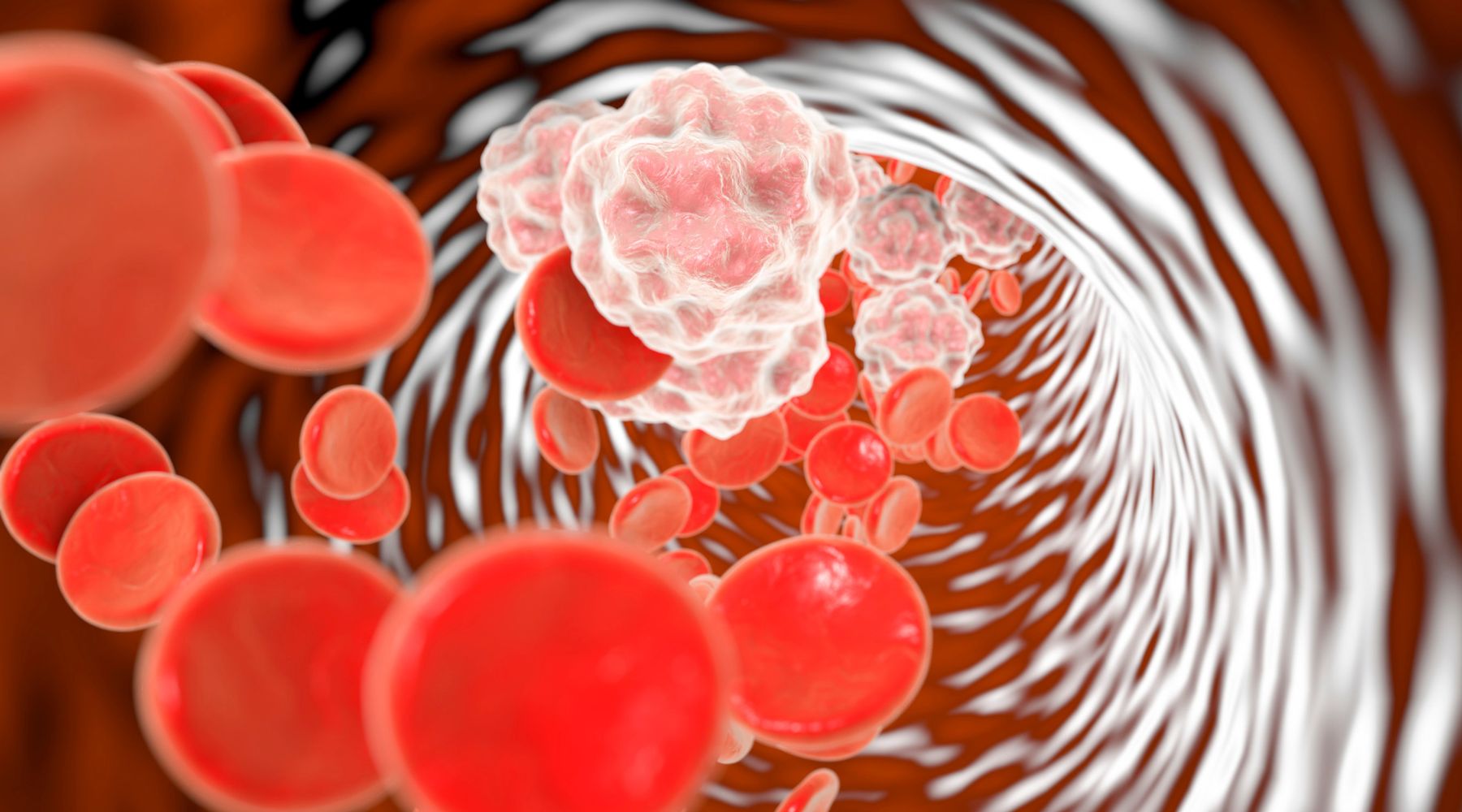
Spermidine and Inflammation: How It Helps
Inflammation is a double-edged sword in the body. While it is a critical response to injury and infection, chronic inflammation can lead to numerous health problems, including cardiovascular diseas...
Will Spermidine Support My Gut Health?
When it comes to gut health, the conversation often revolves around probiotics, fiber, and fermented foods. But there’s a lesser-known compound making waves in the scientific community for its impa...

Can Spermidine Support Thyroid Health?
Thyroid issues often bring fatigue, brain fog, hair thinning, and digestive changes. The biology behind these experiences, disrupted autophagy in thyroid tissue, immune signaling out of balance, and the gut-thyroid axis, is exactly where spermidine research is concentrated.
Studies show spermidine induces autophagy, and preclinical research suggests it supports anti-inflammatory pathways, immune cell rejuvenation and gut barrier integrity. This overlap is an exciting area of growing research interest, keep an eye out for updates.
Spermidine is not a treatment for thyroid or autoimmune conditions, consult your healthcare professional if you are considering adding it to your protocol.
Leslie's Approach
Our founder Leslie Kenny, whose autoimmune conditions are in remission, pairs spermidine with trigger-food awareness, seasonal whole foods, and time-restricted eating. If you live with a thyroid condition, talk with your healthcare provider about whether spermidine fits your situation. Read her full approach:
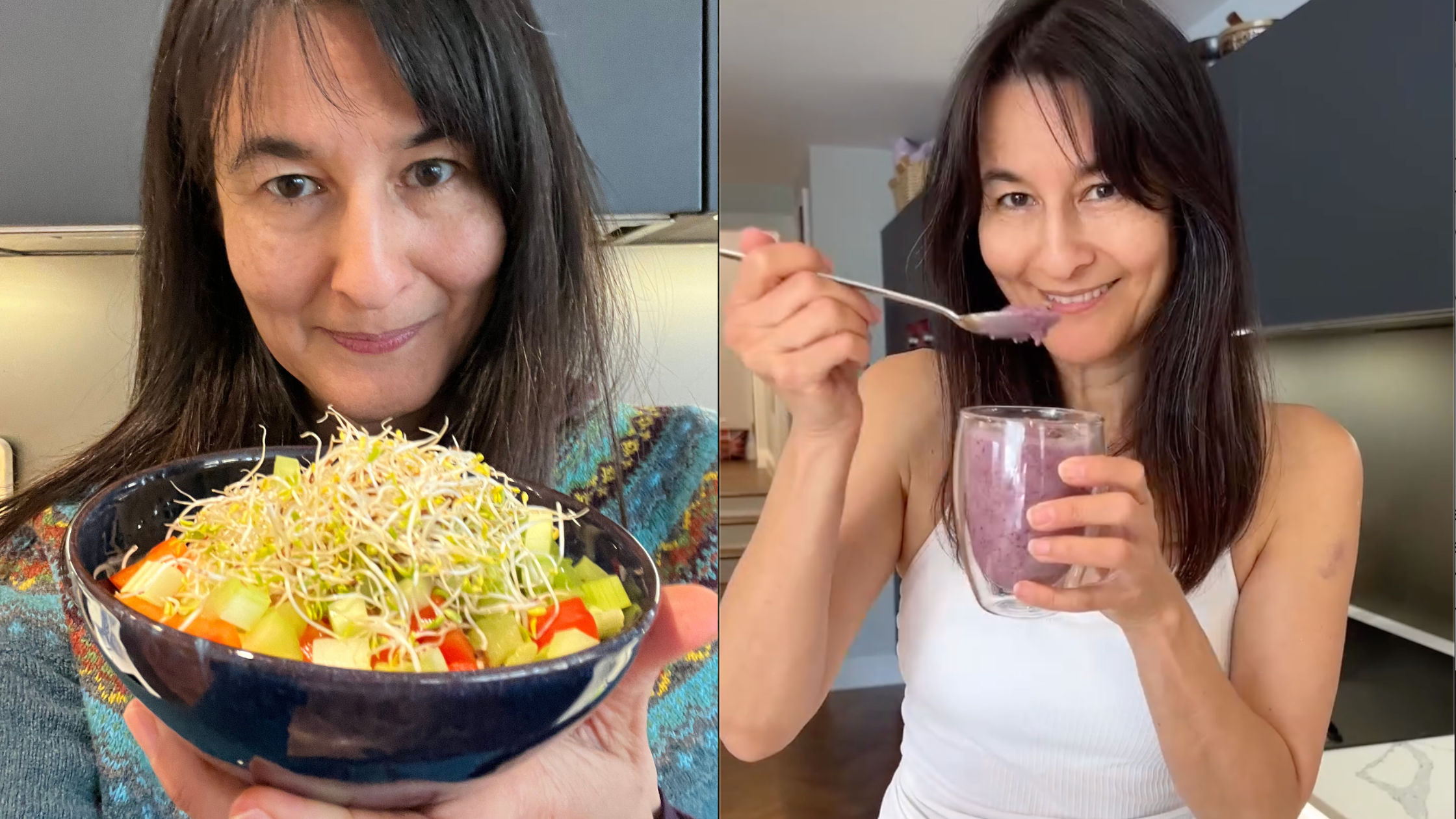
What Does our Founder, Leslie Kenny, Eat in a Day? Includes Her Supplement Stack!
Leslie Kenny’s diet is one that she has honed particularly for her own needs and tastes. It is influenced by her medical history, particularly her autoimmune disease and its triggers, allergies, he...
Immune Supportive Recipes
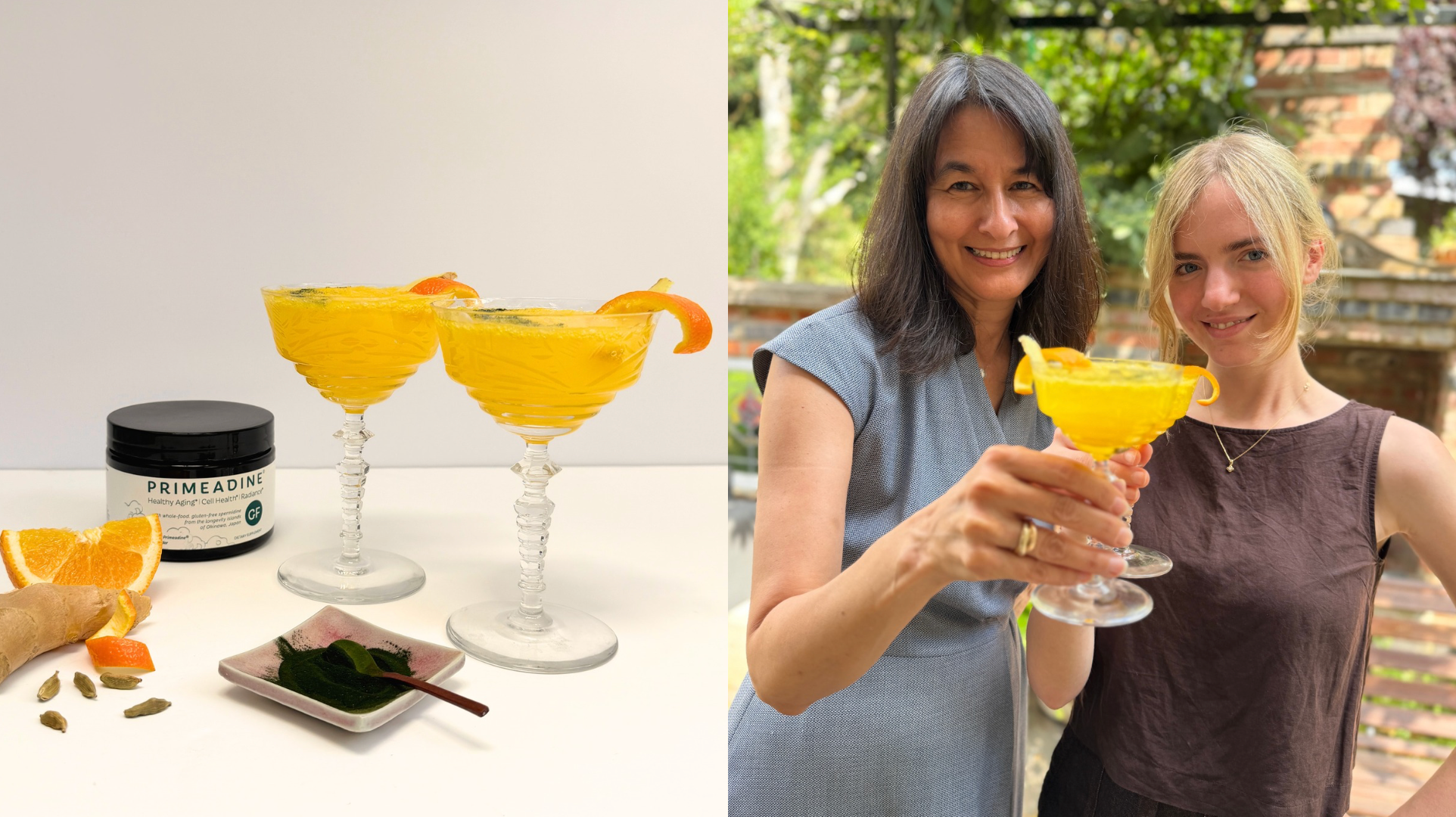
Orange & Cardamom Longevity Mocktail with Spermidine
This orange and cardamom longevity mocktail pairs freshly squeezed juice with warm spices and one scoop of Primeadine GF, a whole food-derived spermidine supplement. Elegant enough for a dinner par...
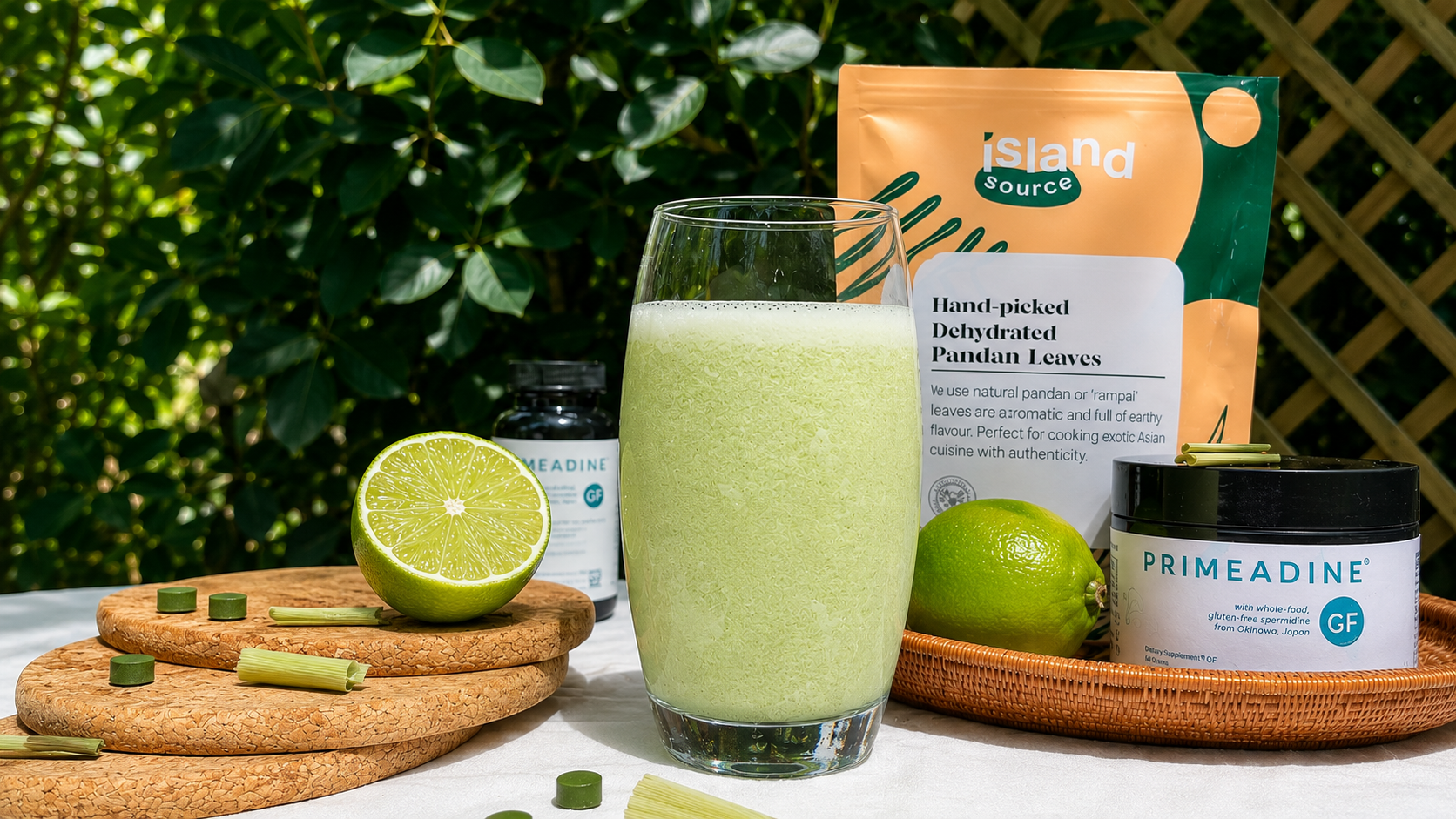
The Green Ritual: Primeadine GF, Pandan, Coconut and Lime Smoothie
This pandan smoothie pairs fragrant, steeped pandan with creamy coconut yogurt, a bright squeeze of lime, and a scoop of Primeadine GF spermidine. Finished with an elegant coconut drizzle, it turns...
Eat the season: Summer fruits that nourish your cells
The seasons have a way of working with your biology, bringing an abundance of whole foods that naturally support your cellular health. Right now, in the Summer months, nature is offering colorful ...

Seasonal Longevity Foods for Winter: A Complete Guide
As the days grow shorter and temperatures drop, we often start to crave warm, comforting foods. This is our body’s way of telling us it’s time to boost immune support, nourish our skin, and strengt...
Getting consistent spermidine
The body's own spermidine production declines with age, which is precisely when sleep quality tends to suffer most. Restoring levels through food-derived spermidine supplementation is one of the most direct ways to support the cellular environment that restorative sleep depends on.
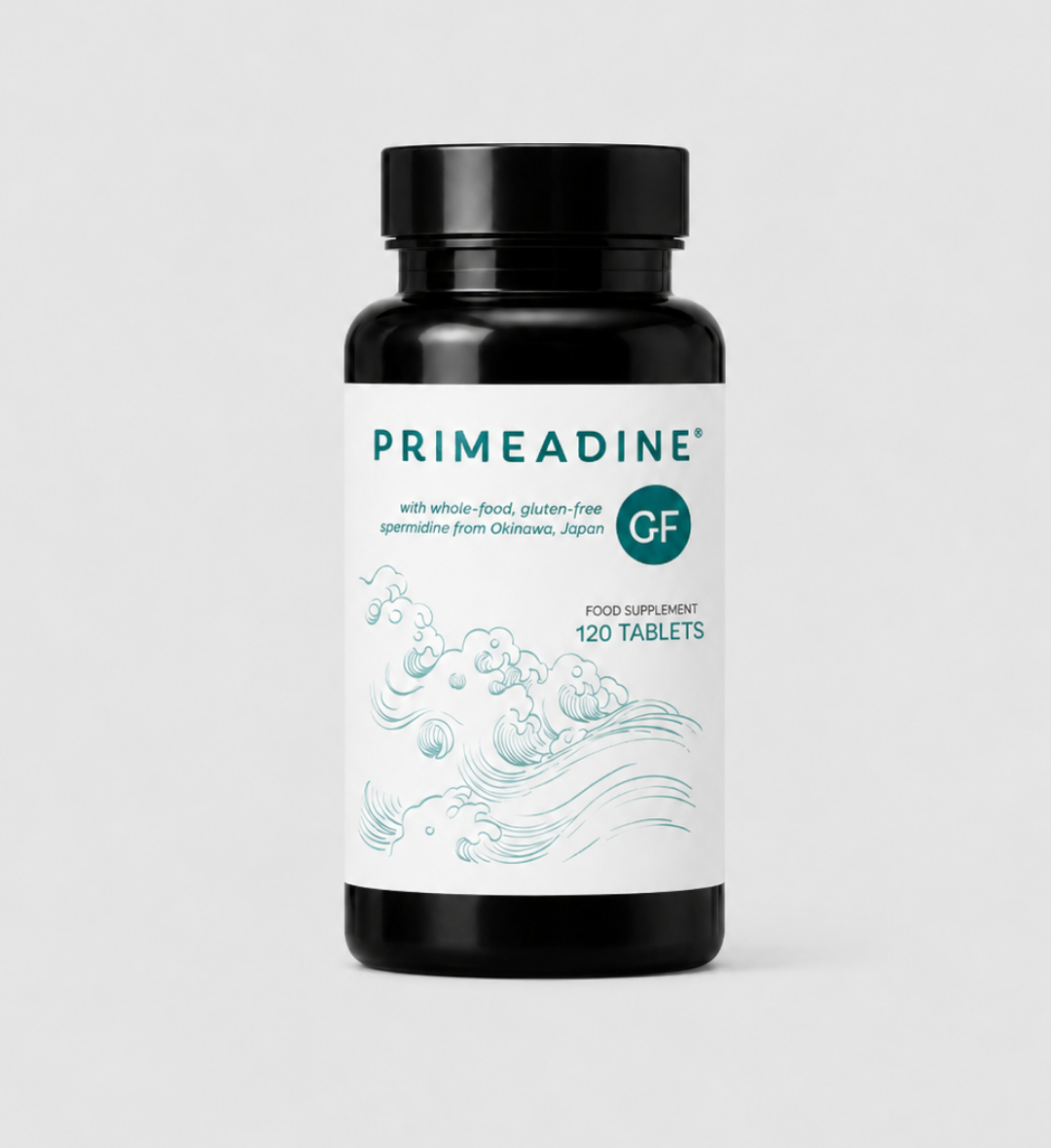
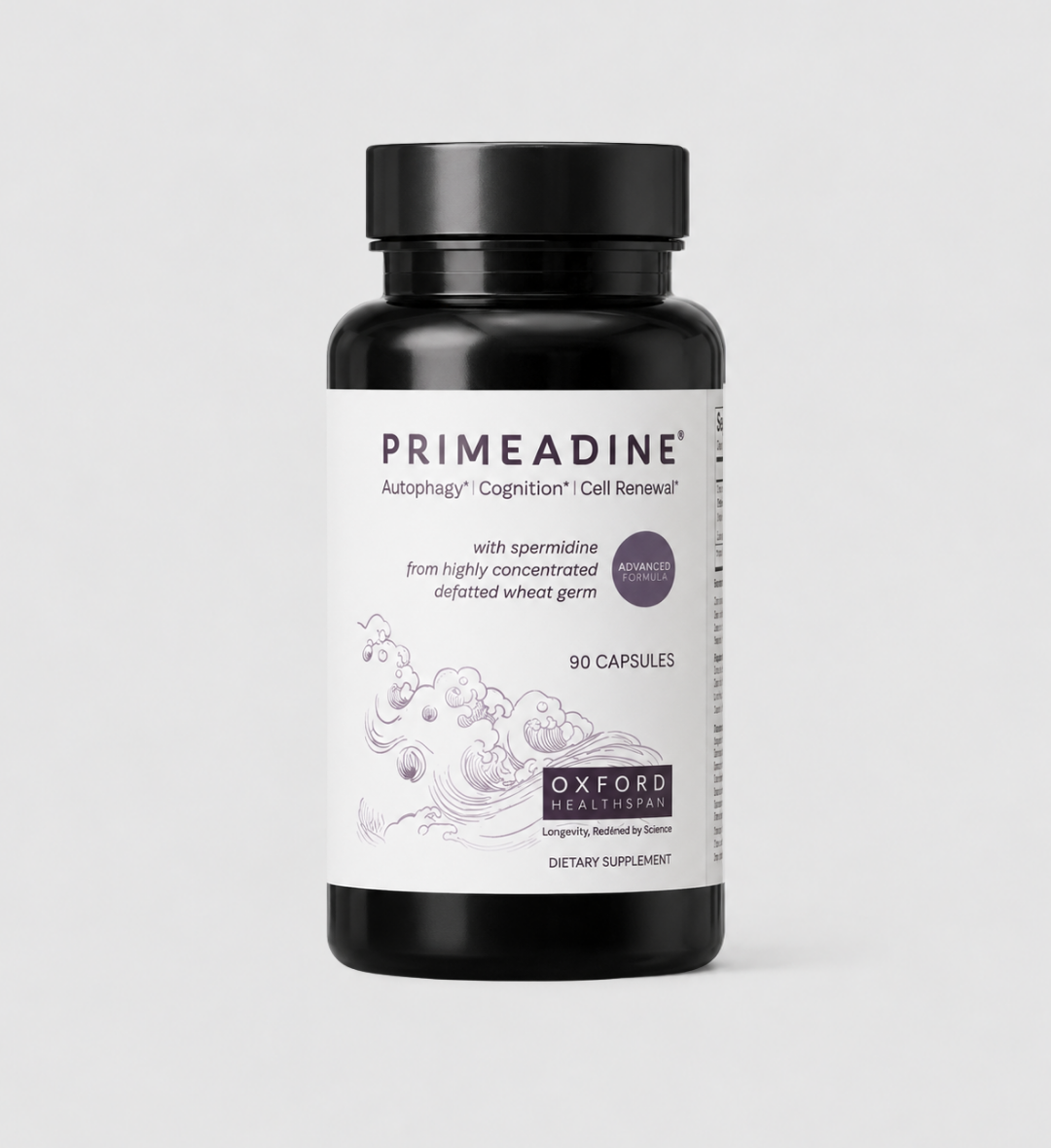
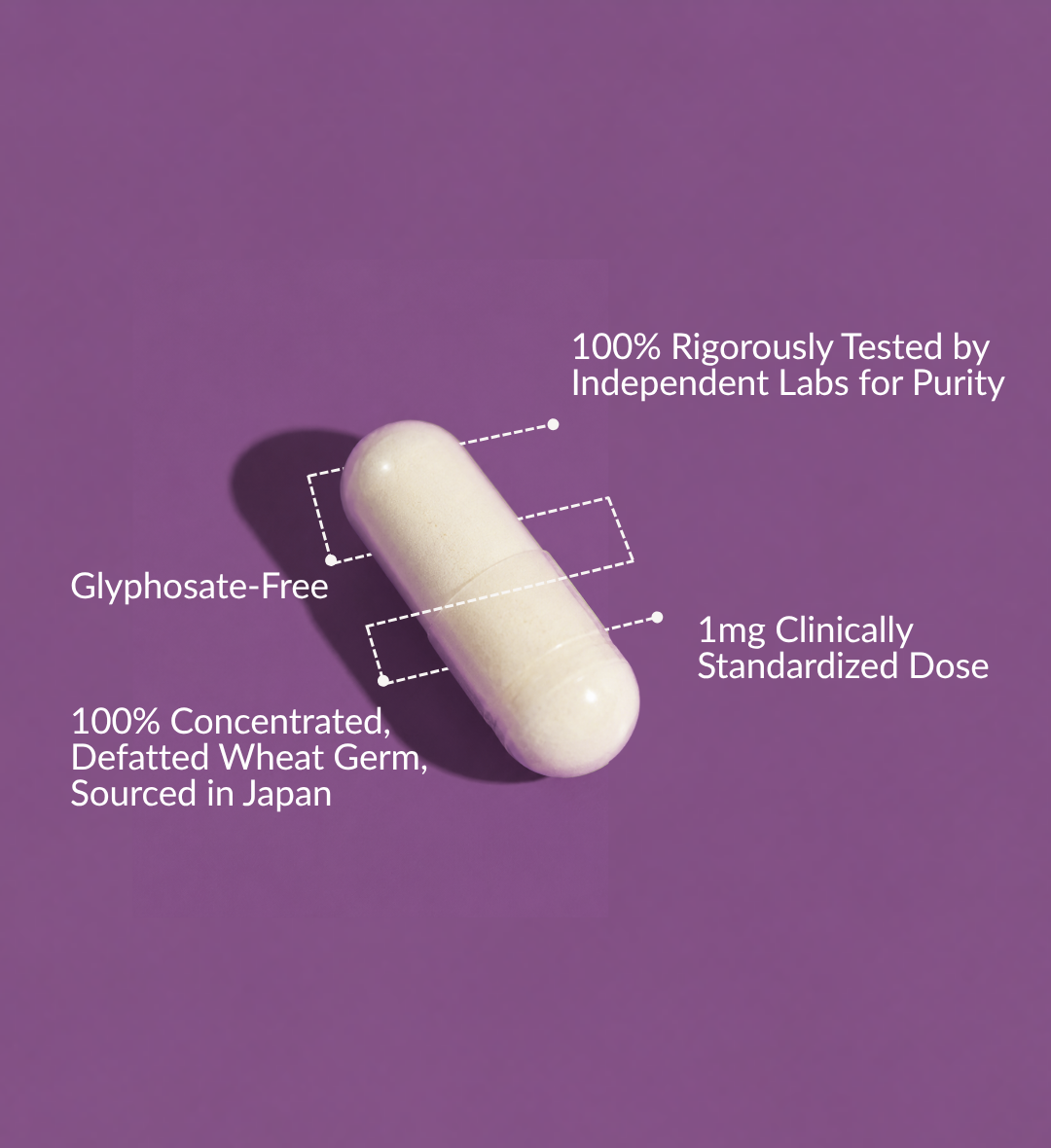
Primeadine is the world's leading whole-food spermidine supplement, derived from Japan and third-party tested for purity and potency. Over a quarter of our customers report improved sleep as one of the first benefits they notice.