
A guide to the science of why we age
The hallmarks of aging

Aging is not a single process. It's the accumulation of multiple, interconnected changes happening inside your cells, many of them invisible, all of them influential. In 2013, researchers Lopez-Otin and colleagues mapped these changes into a framework that has since become one of the most influential in modern aging research: the hallmarks of aging.
These twelve hallmarks fall into three groups:
Primary hallmarks: the root causes of cellular damage.
Antagonistic hallmarks: the body's responses to that damage.
Integrative hallmarks: the downstream consequences felt throughout the body.
Below, we walk through each one and how spermidine interacts with them.
Primary Hallmarks
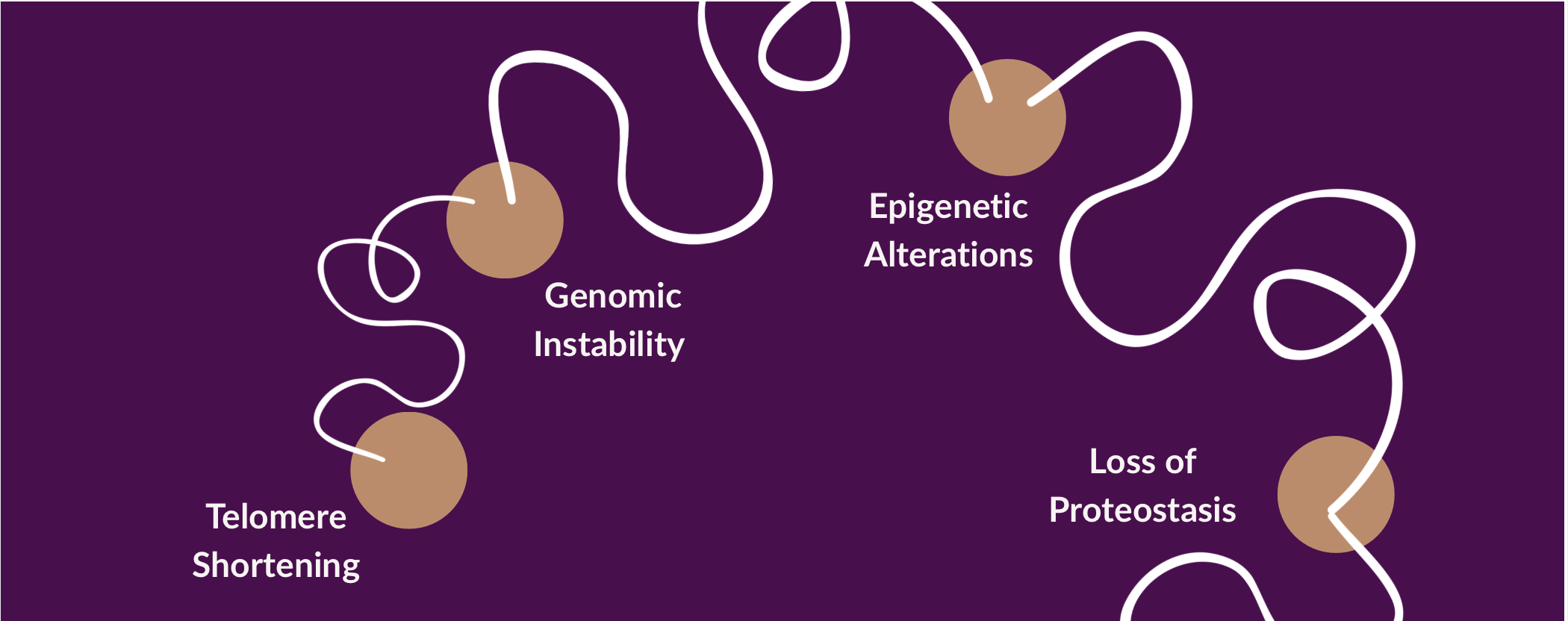
Genomic Instability
Every day, your cells accumulate small amounts of damage to their DNA, from environmental exposures, metabolic byproducts, and simply the ordinary wear of cell division. Your body has repair systems in place to fix this damage, but their efficiency declines with age, allowing genomic instability to accumulate over time. This is considered one of the most fundamental drivers of aging, since damaged DNA can disrupt how cells function and divide.
Telomere Shortening
Telomeres are protective caps at the ends of your chromosomes, often compared to the plastic tips on shoelaces that stop them from fraying. Each time a cell divides, its telomeres shorten slightly. Eventually, telomeres become too short for the cell to divide safely, and the cell enters a state called senescence or undergoes cell death.
Telomere length is widely studied as a marker of biological aging, and research suggests that certain food-derived polyamines, including spermine, may play a role in supporting telomere length.
Epigenetic Alterations
Your DNA doesn't change much over your lifetime, but how it's read and expressed does. Epigenetic alterations refer to changes in the chemical tags and structures that control which genes are switched on or off, without altering the underlying genetic code itself.
These changes accumulate with age and can affect everything from cellular repair capacity to inflammation levels. Some research suggests that spermidine may influence gene expression through a process called acetylation, one reason its relationship with cellular aging continues to draw scientific interest.
Loss of Proteostasis
Proteostasis refers to your cells' ability to properly fold, maintain, and dispose of proteins. As we age, this quality control system becomes less efficient, allowing misfolded or damaged proteins to accumulate. This decline is linked to a range of age-related conditions.
Autophagy, the cellular recycling process most associated with spermidine, plays a direct role in maintaining proteostasis by clearing out these damaged proteins before they can accumulate.
Primary Hallmarks
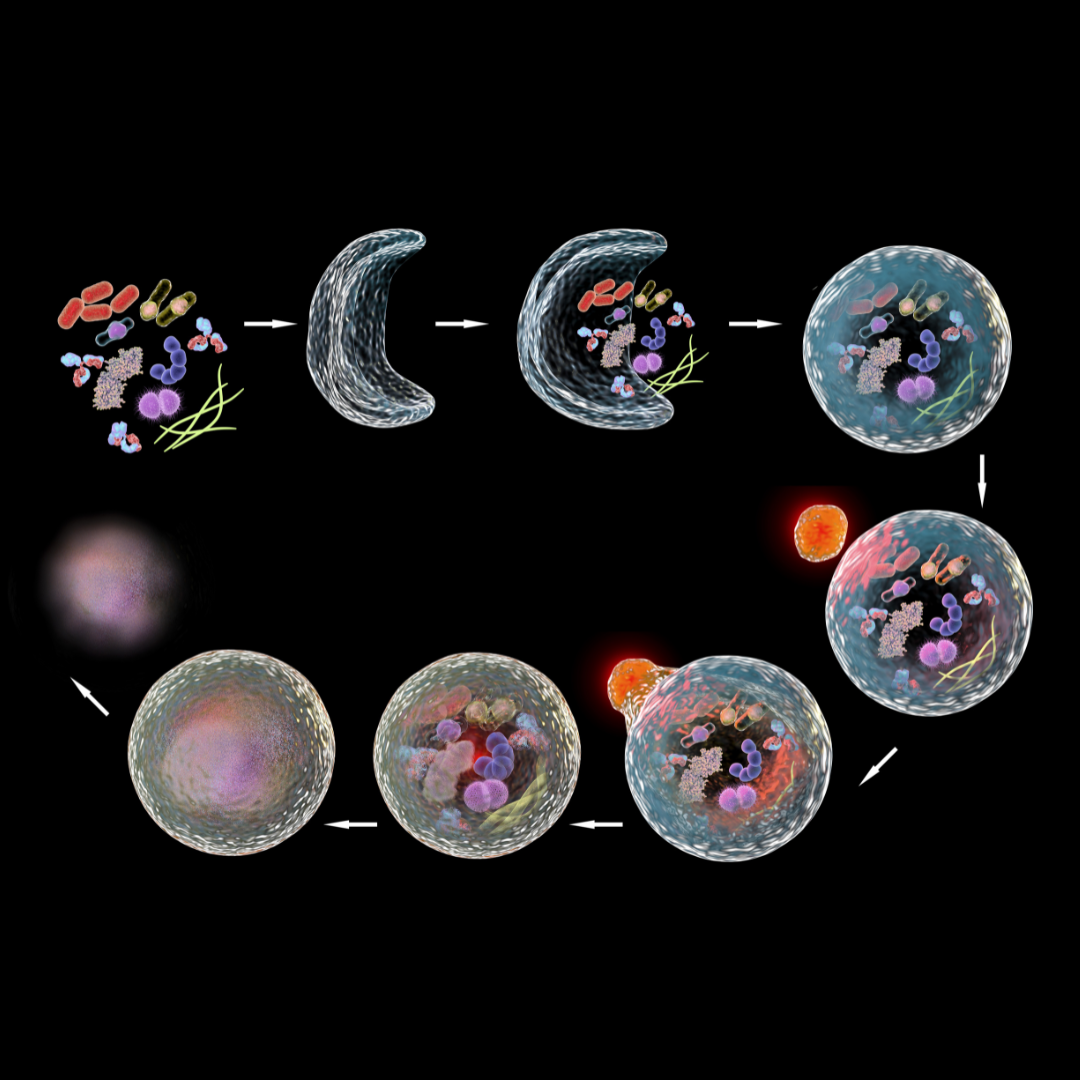
Disabled Macroautophagy
Added to the framework in 2023, disabled macroautophagy refers to the decline in your cells' internal recycling and housekeeping system Autophagy naturally slows with age, and this decline has been linked to a range of age-related changes.
Spermidine is the most studied natural compound in relation to this specific hallmark, with research consistently showing it to be a potent upregulator of autophagy.
Learn more on our blog
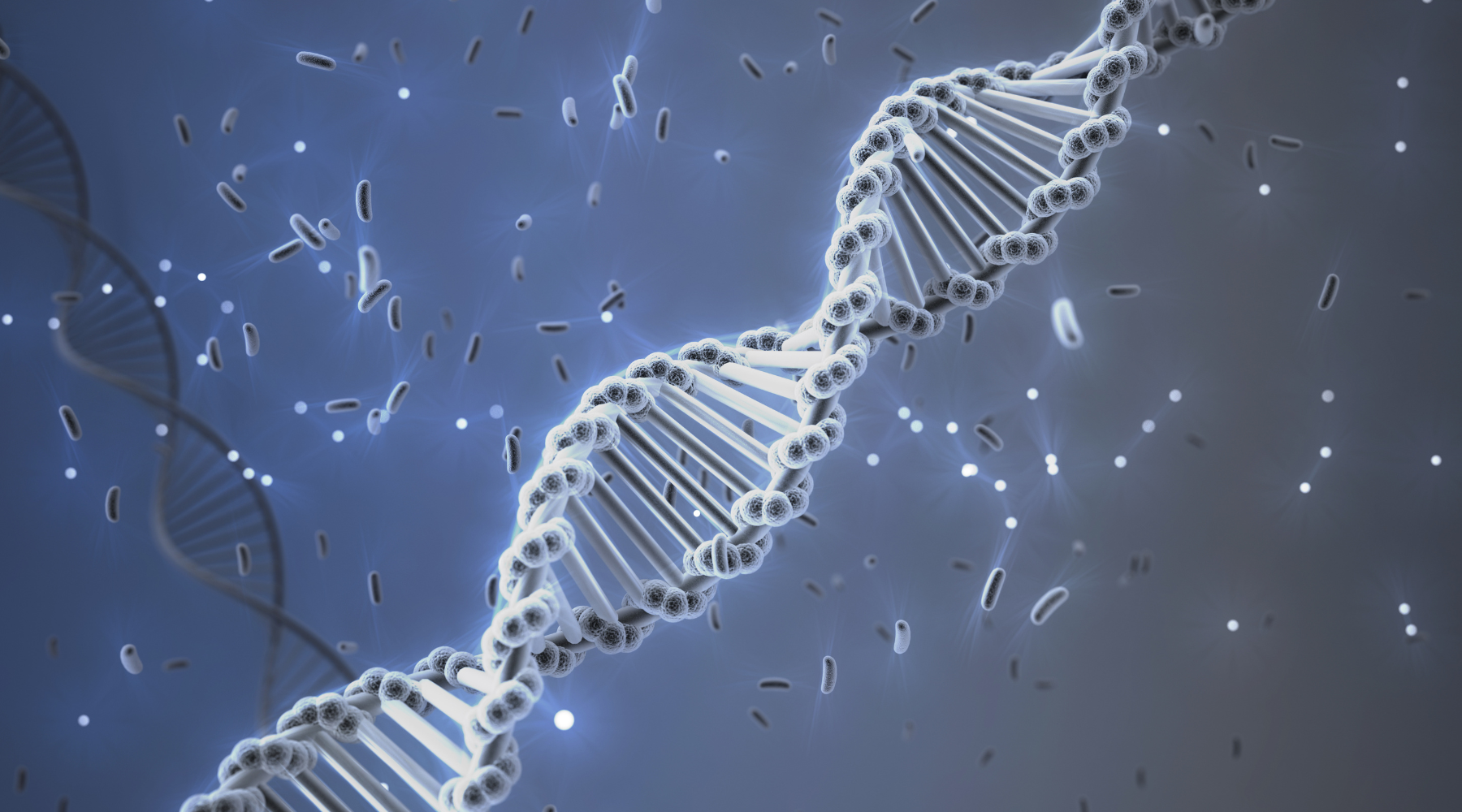
Genomic Instability: Hallmark of Aging #1
This month we shine the spotlight on the first hallmark of aging, genomic instability or genomic damage.
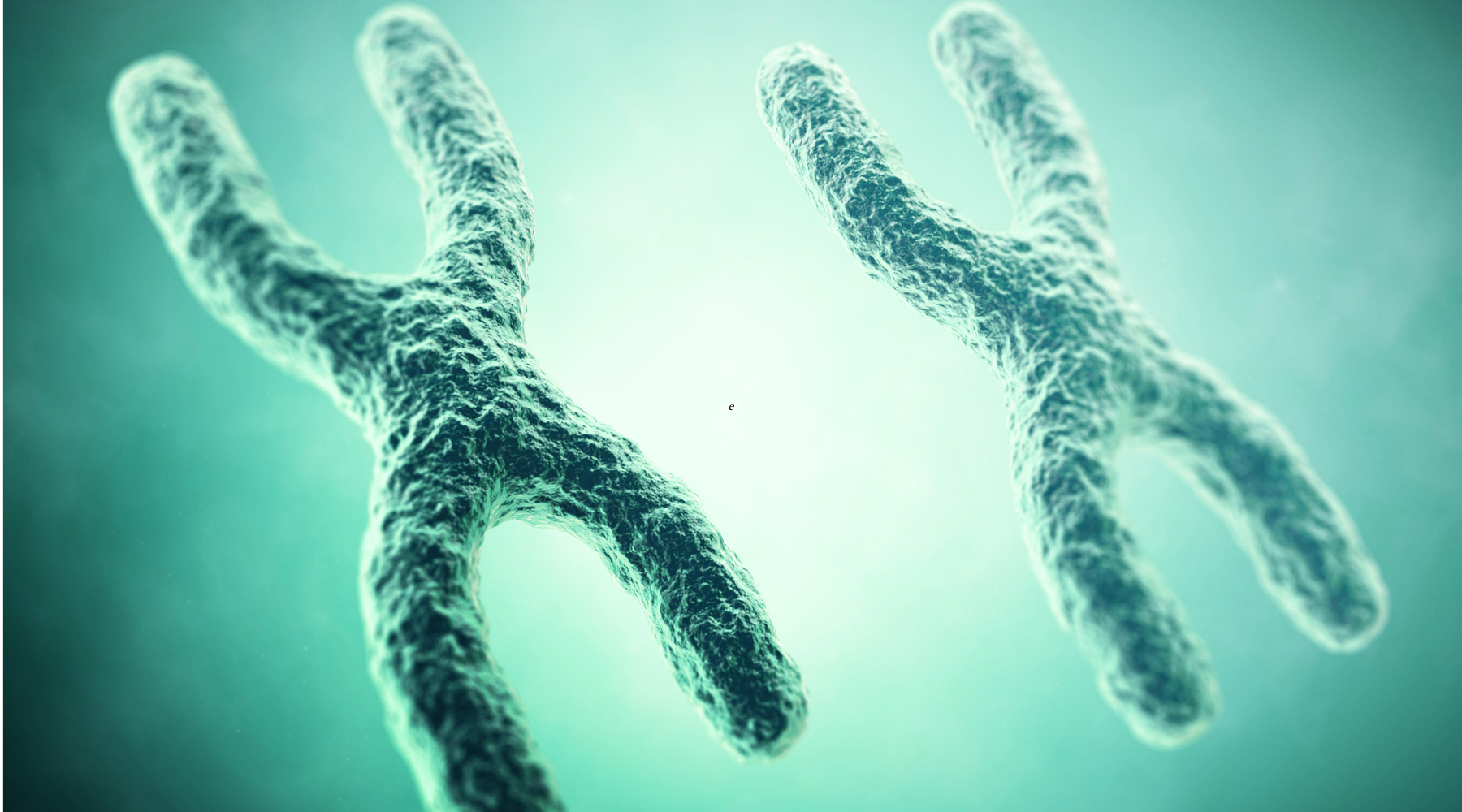
Telomere Attrition: Hallmark of Aging #2
In the last blog post discussing Hallmark #1, we talked a lot about how DNA damage accompanies aging. A particular brand of DNA damage is telomere attrition or loss, the second hallmark.
Epigenetic Alterations: Hallmark of Aging #3
Some epigenetic changes are predictable - for example, many of the changes associated with lifestyle factors. But some epigenetic changes are random and associated with many diseases and risk fact...
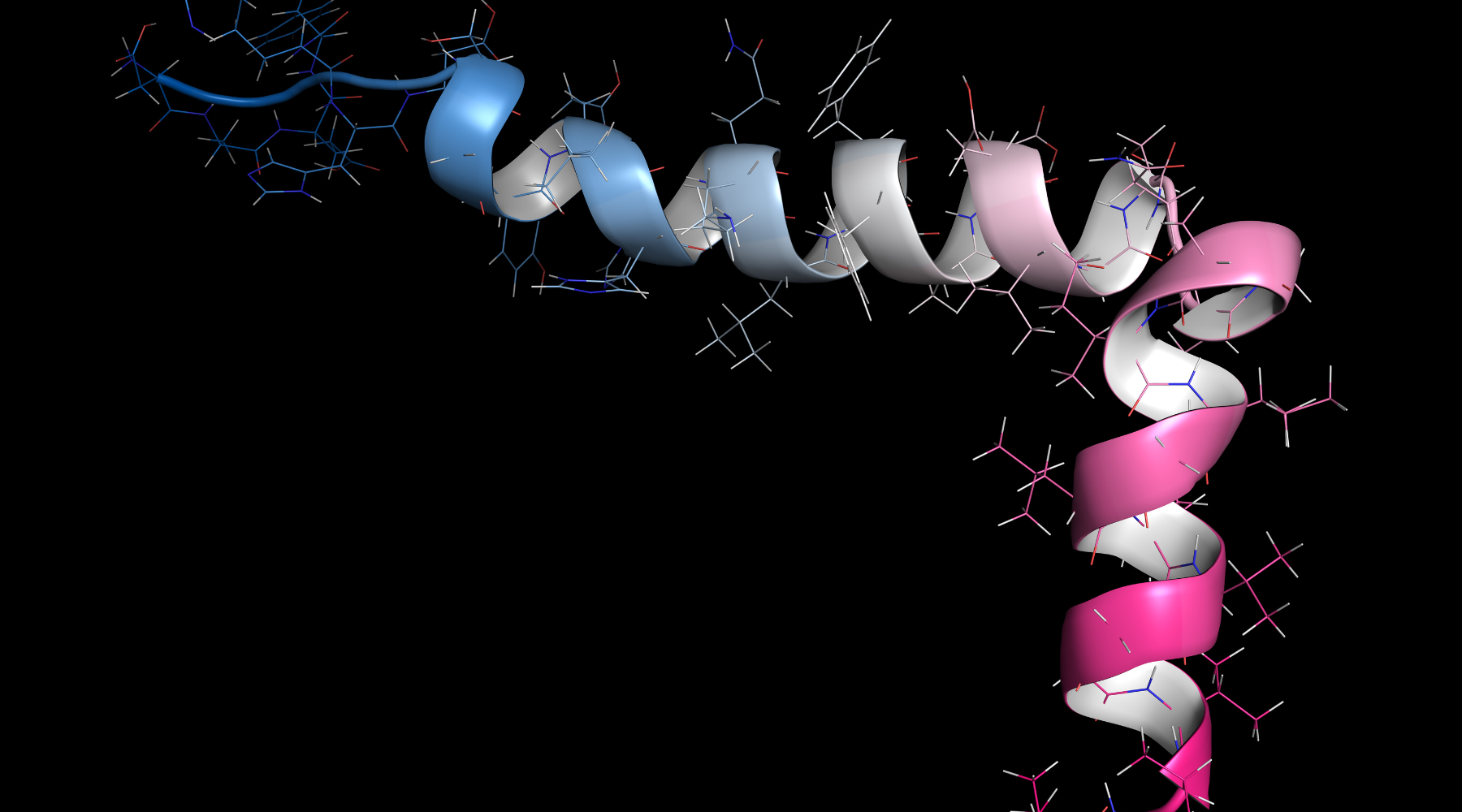
Loss of Proteostasis: Hallmark of Aging #4
To function, proteins need to be folded perfectly. And, for our bodies to function, we need this process to be conserved and protected: Proteins are responsible for nearly every task in our body in...
Antagonistic Hallmarks
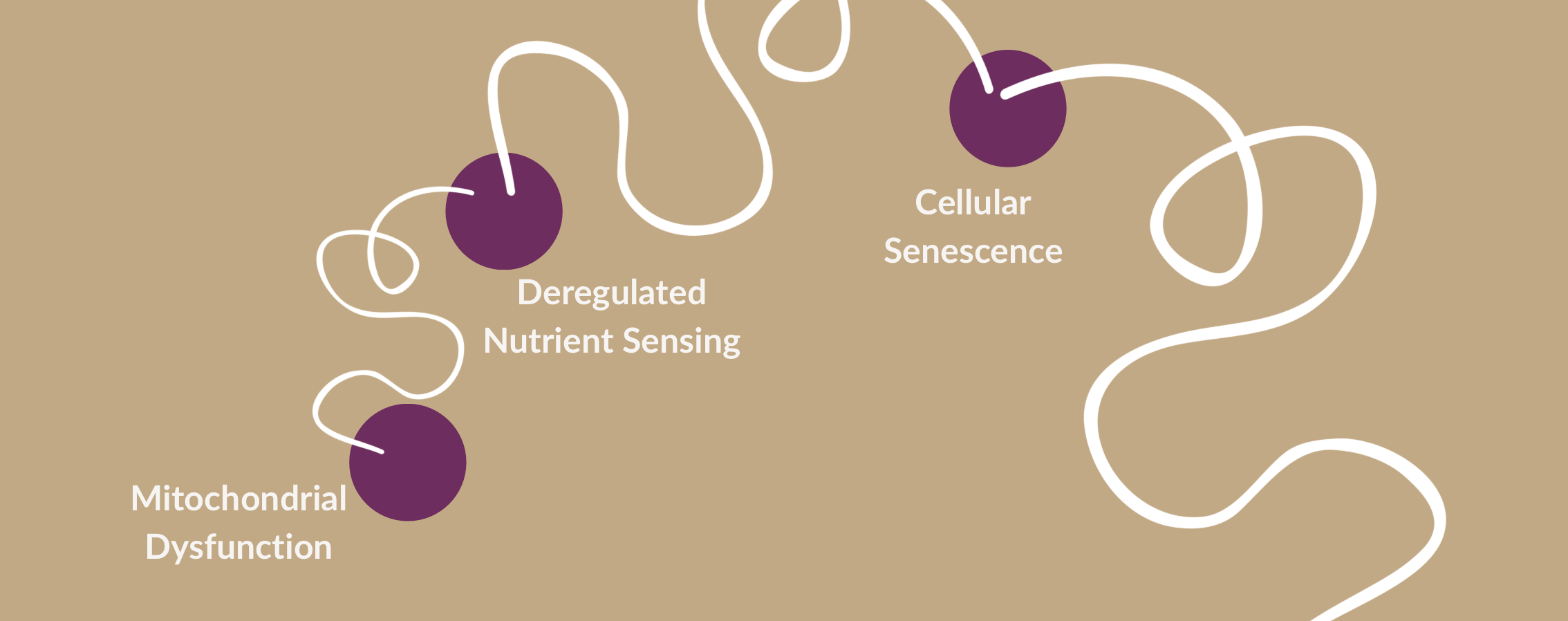
Deregulated Nutrient Sensing
Your cells constantly monitor and respond to the availability of nutrients, adjusting processes like growth, repair, and energy use accordingly. Several of the body's nutrient-sensing pathways become less responsive with age, a state known as deregulated nutrient sensing. This is part of why interventions like fasting and calorie restriction are so widely studied in longevity science, since they appear to help recalibrate these pathways.
The Spermidine connection:
Spermidine is one of the most researched natural compounds in this space, often described as a fasting mimetic for its ability to activate some of the same pathways as fasting.
Mitochondrial Dysfunction
Mitochondria are the energy-producing structures within your cells, often described as their power plants. Mitochondrial efficiency declines with age, this decline is thought to contribute to fatigue, reduced exercise capacity, and a range of age-related conditions.
The spermidine connection:
Maintaining healthy autophagy with spermidine is one way the body clears damaged mitochondria through a specific process called mitophagy. Read more
Cellular Senescence
Senescent cells are cells that have stopped dividing but remain metabolically active, often described informally as "zombie cells." Rather than being cleared from the body, they linger and release inflammatory signals that can damage surrounding tissue. Senescent cells accumulate with age, and their buildup is closely linked to chronic inflammation and several age-related conditions.
Senolytic compounds, substances that help clear senescent cells, are a growing area of longevity research for this hallmark.
Discover more on our blog
Deregulated Nutrient Sensing: Hallmark of Aging #5
There are many cues to tell us when we are hungry – it could be the growling and gurgling of the belly, feeling low energy, or even the ring of the lunch bell. On a cellular level, hunger is, in pa...
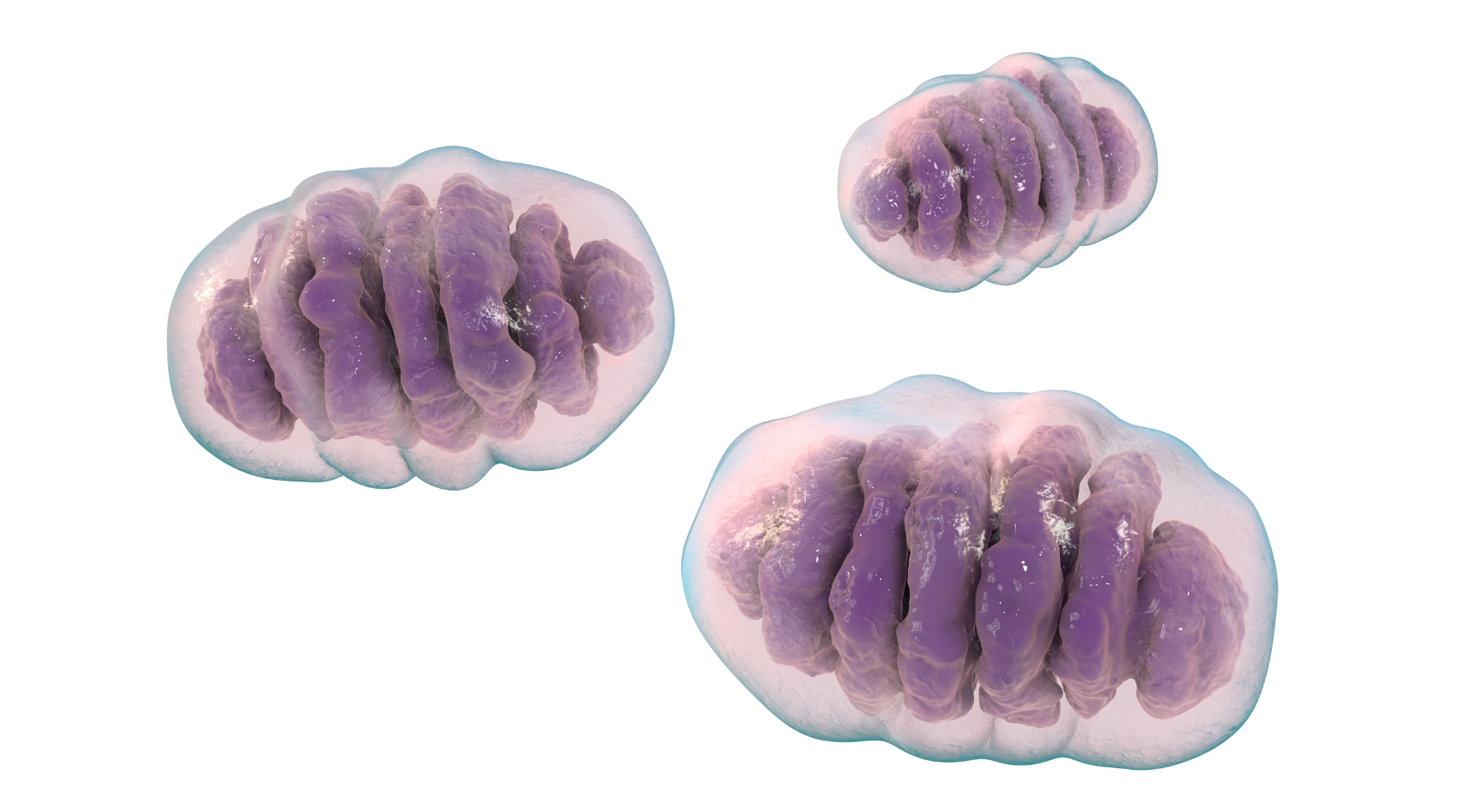
Mitochondrial Dysfunction: Hallmark of Aging #6
We’ve made it to the 6th of the 12 hallmarks of aging: mitochondrial dysfunction! Mitochondrial dysfunction is part of the antagonistic group of hallmarks.
Cellular Senescence: Hallmark of Aging #7
Cellular senescence is the 7th of the 12 Hallmarks of Aging published ten years ago by Lopez-Otin et al. It is also the last of the antagonistic hallmarks, so named because they have opposite effe...
Stem Cell Exhaustion: Hallmark of Aging #8
The latest anti-aging skincare product might promise to repair, renew, and rejuvenate, however, they don’t promise to regrow. Only your stem cells can do that; but this is actually what you need most.
Integrative Hallmarks
Altered Intracellular Communication
Cells don't operate in isolation. They constantly send and receive signals that coordinate everything from immune responses to tissue repair. With age, these communication pathways become less precise, contributing to "inflammaging." This breakdown in cellular communication is thought to be one of the more far-reaching hallmarks, since it touches nearly every system in the body.
Stem Cell Exhaustion
Stem cells are responsible for replenishing and repairing tissues throughout your body. Their capacity to do this declines with age, a process known as stem cell exhaustion, contributing to slower wound healing, reduced muscle repair, and a general decline in the body's regenerative capacity.
This hallmark is closely connected to several of the others, since the same factors driving genomic instability and mitochondrial dysfunction also affect stem cell populations over time.
Chronic Inflammation
Chronic inflammation refers to the persistent, low-grade inflammatory state that tends to increase with age, often called inflammaging.
The Spermidine Connection:
Research suggests spermidine may help support a more balanced inflammatory response, in part through its role in autophagy and its influence on certain inflammatory signalling pathways.
Gut Dysbiosis
Dysbiosis refers to an imbalance in the trillions of bacteria that make up your gut microbiome. As we age, microbiome diversity tends to decline, which can affect everything from digestion to immune function to the production of compounds like spermidine itself, since a meaningful portion of your body's polyamine supply comes from gut bacteria.
The Spermidine Connection:
This creates a notable feedback loop: supporting gut health may help support natural spermidine production, while spermidine itself may help support a healthier gut environment.
Learn more on our blog

Altered Intercellular Communication: Hallmark of Aging #9
As people (and their cells) age, the communication between their cells change. Although the cells aren’t deciding not to communicate, the communication becomes deregulated particularly as inflammat...
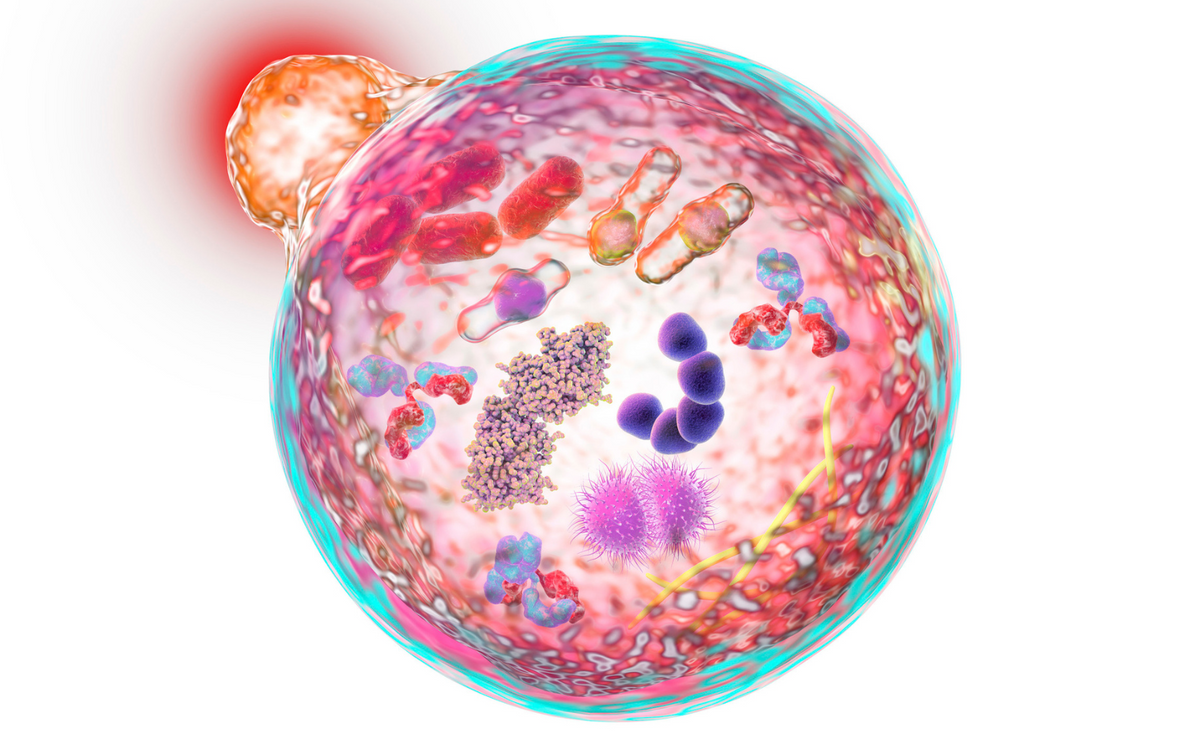
Disabled Macroautophagy: Hallmark of Aging #10
Macroautophagy is one type of autophagy and involves the containment of cytoplasmic material into vesicles, whose contents are later digested or broken down into parts by lysosomes, another cellula...
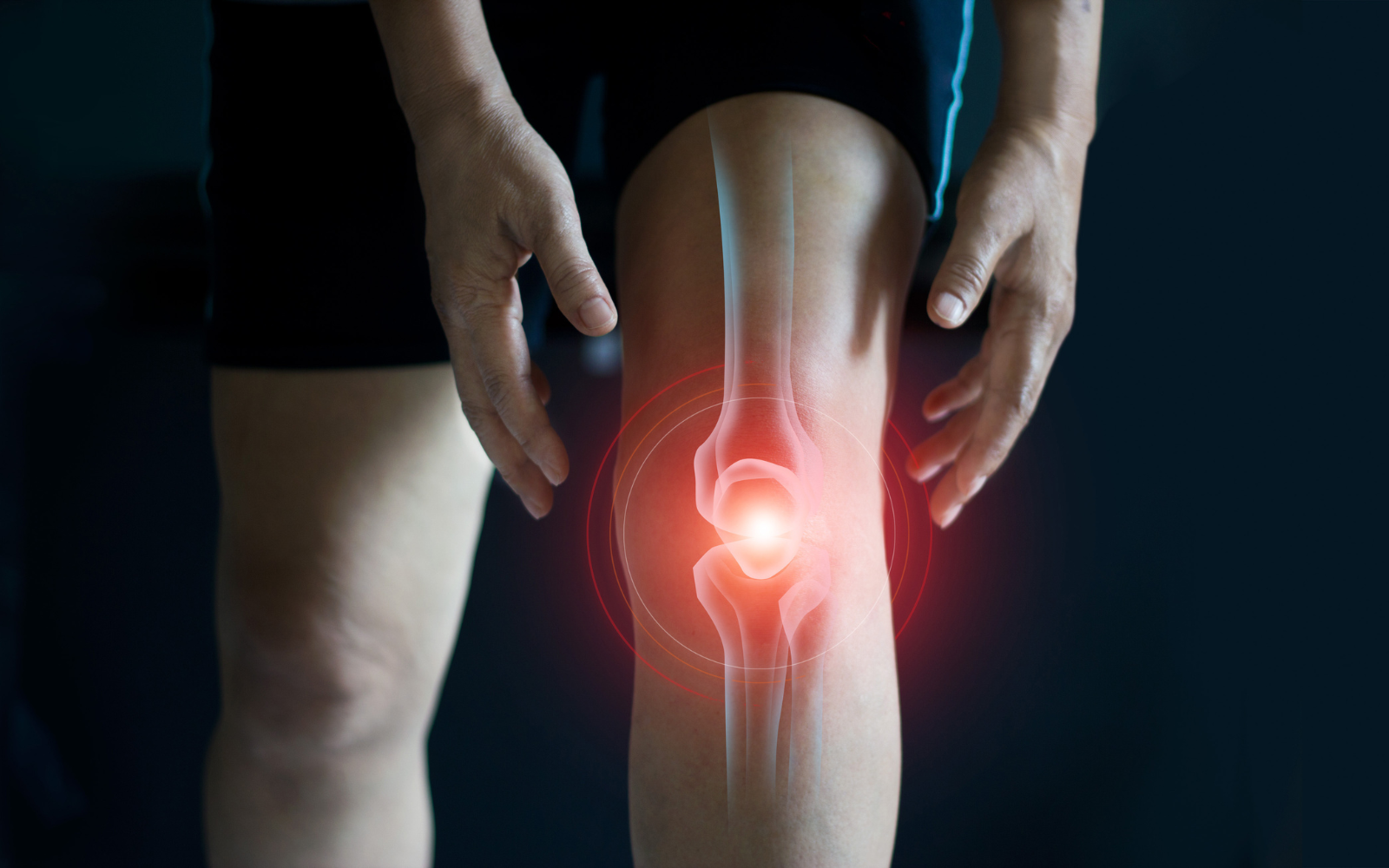
Inflammation & "Inflammaging": Hallmark of Aging #11
Inflammation is a recognizable accompaniment to aging. Demonstrably, over one in four American adults between the ages 45 and 64 and nearly half of all Americans over 65 have been diagnosed with o...
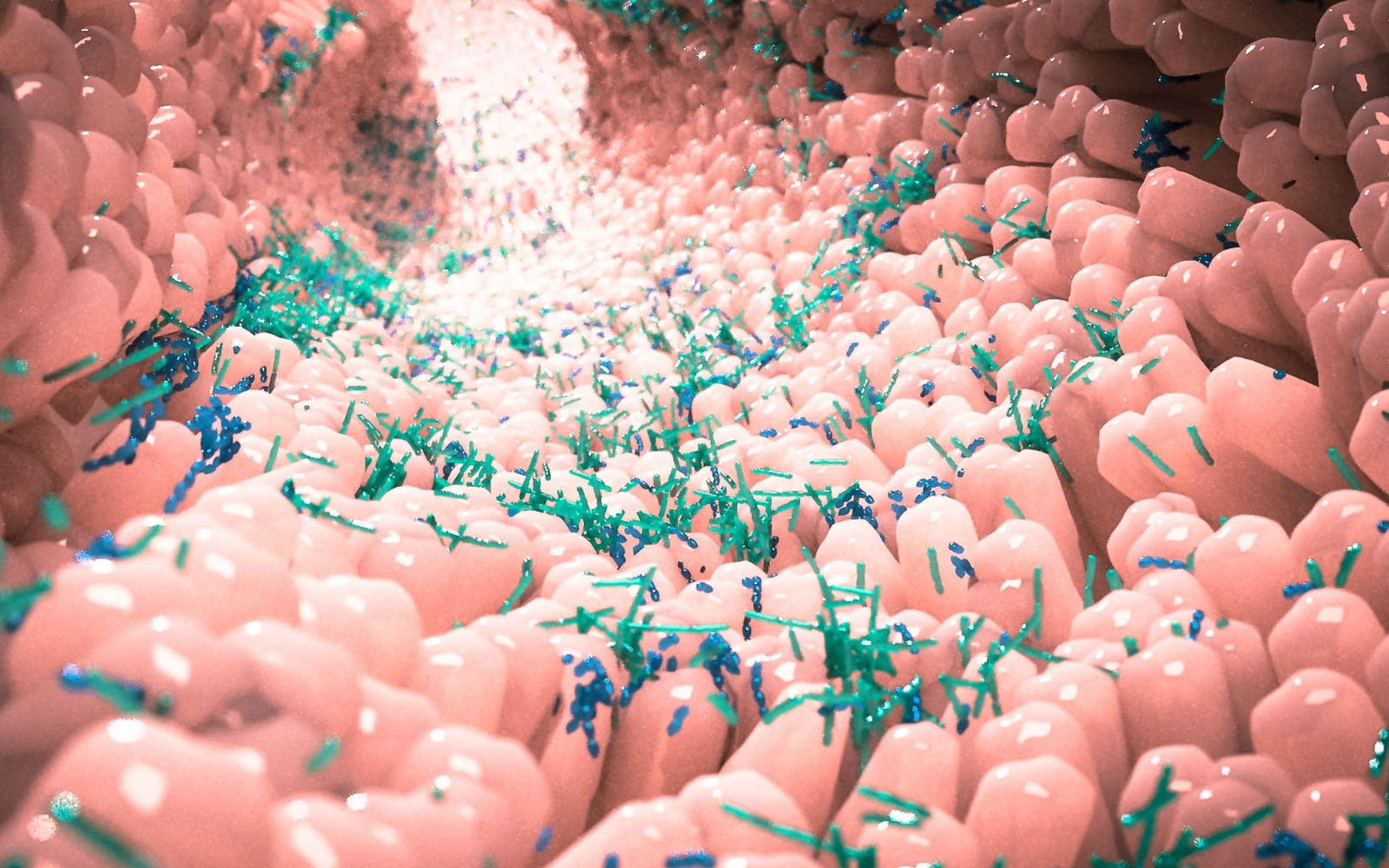
Gut Dysbiosis: Hallmark of Aging #12
Bacterial diversity in the gut is established during childhood and remains relatively stable into adulthood. But, the architecture and activity of the bacteria undergoes gradual changes during agi...