Spermidine & Men's Health
The name is a bit of a giveaway, spermidine was first identified in seminal fluid, which is exactly how it earned its rather unsubtle title. However, it is also present in nearly every cell of every living thing, from wheat germ to broccoli to both men and women.
For men, three areas of research stand out, and all of them run through autophagy: the heart, skeletal muscle, and reproductive health.

How Spermidine supports men
The life expectancy gap between men and women is real, and consistent across every country studied. Cardiovascular health accounts for much of it, along with a tendency to reach preventive care later. Neither is a fixed feature of being male and can be changed.
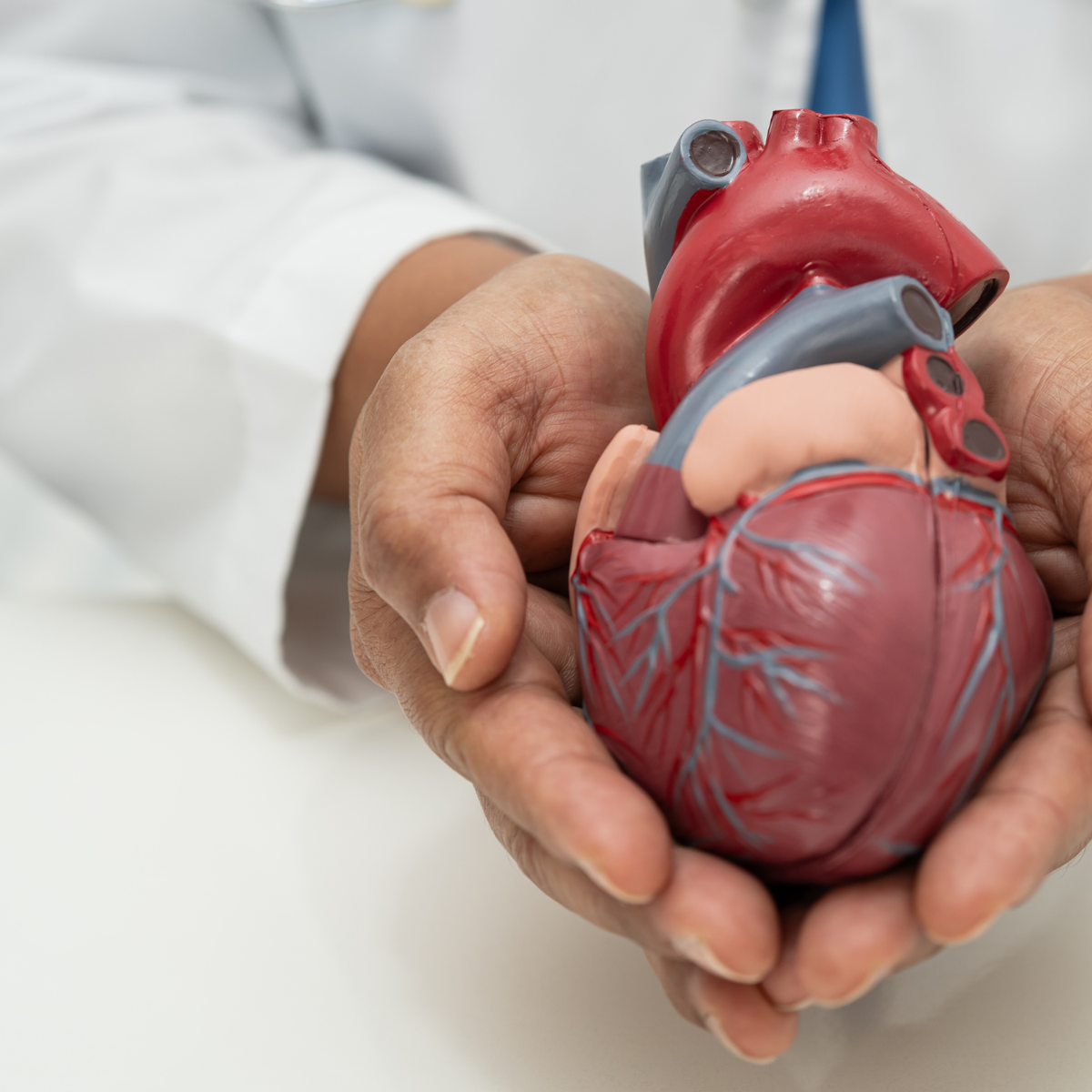
A 2016 study in Nature Medicine reported that spermidine extended lifespan in mice and improved cardiac function, with reduced cardiac hypertrophy and better diastolic performance. In humans, a large population study associated higher dietary spermidine intake with lower blood pressure, lower risk of heart failure, and lower all-cause mortality.
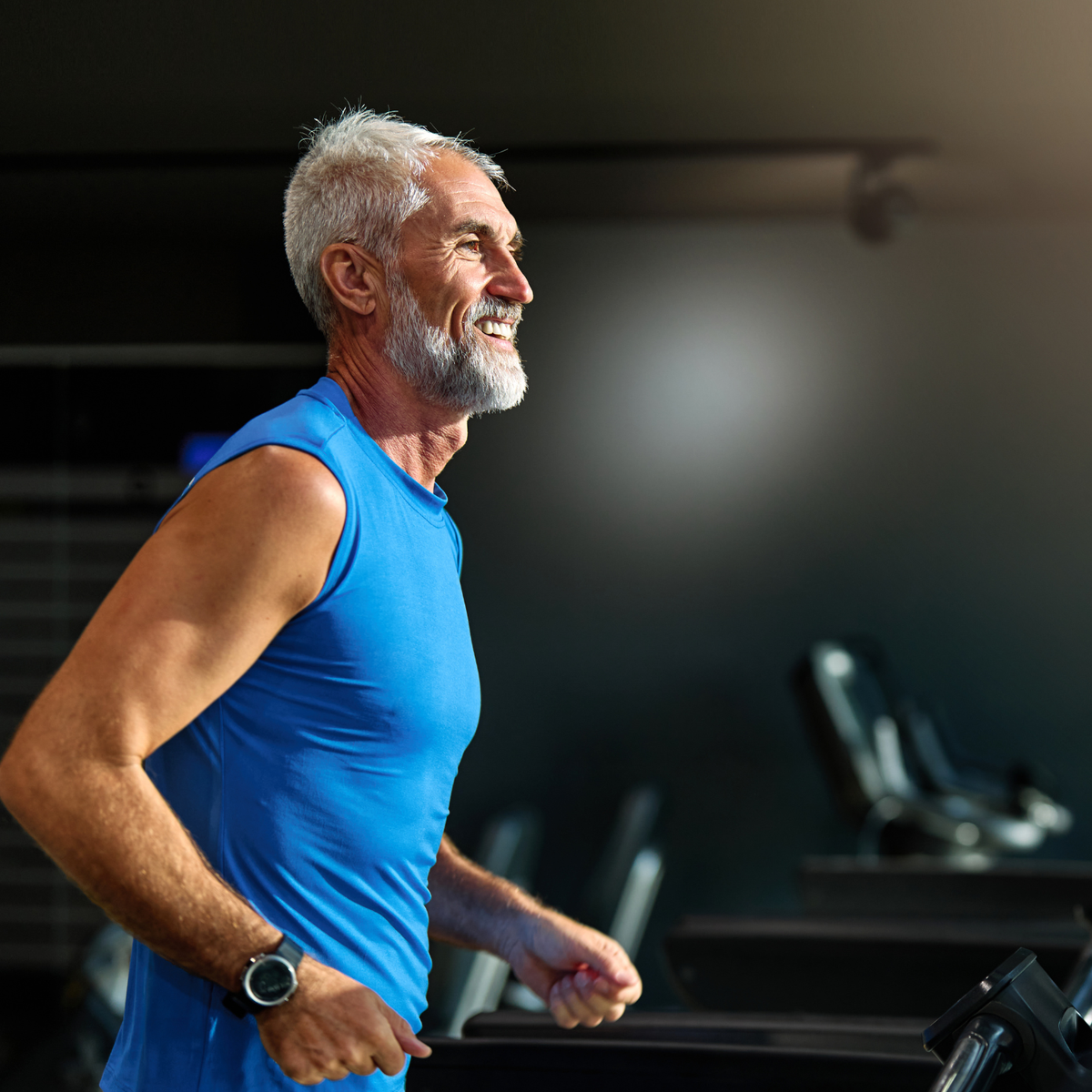
Resistance training, while it has health benefits, can damage proteins and clearing that damage is how positive adaptation happens. Autophagy does that clearing, and research suggests spermidine supports it in skeletal muscle, along with the mitochondrial function and muscle stem cell activity that maintenance depends on.
This is the mechanistic basis for spermidine's relevance to sarcopenia, the age-related loss of muscle mass.

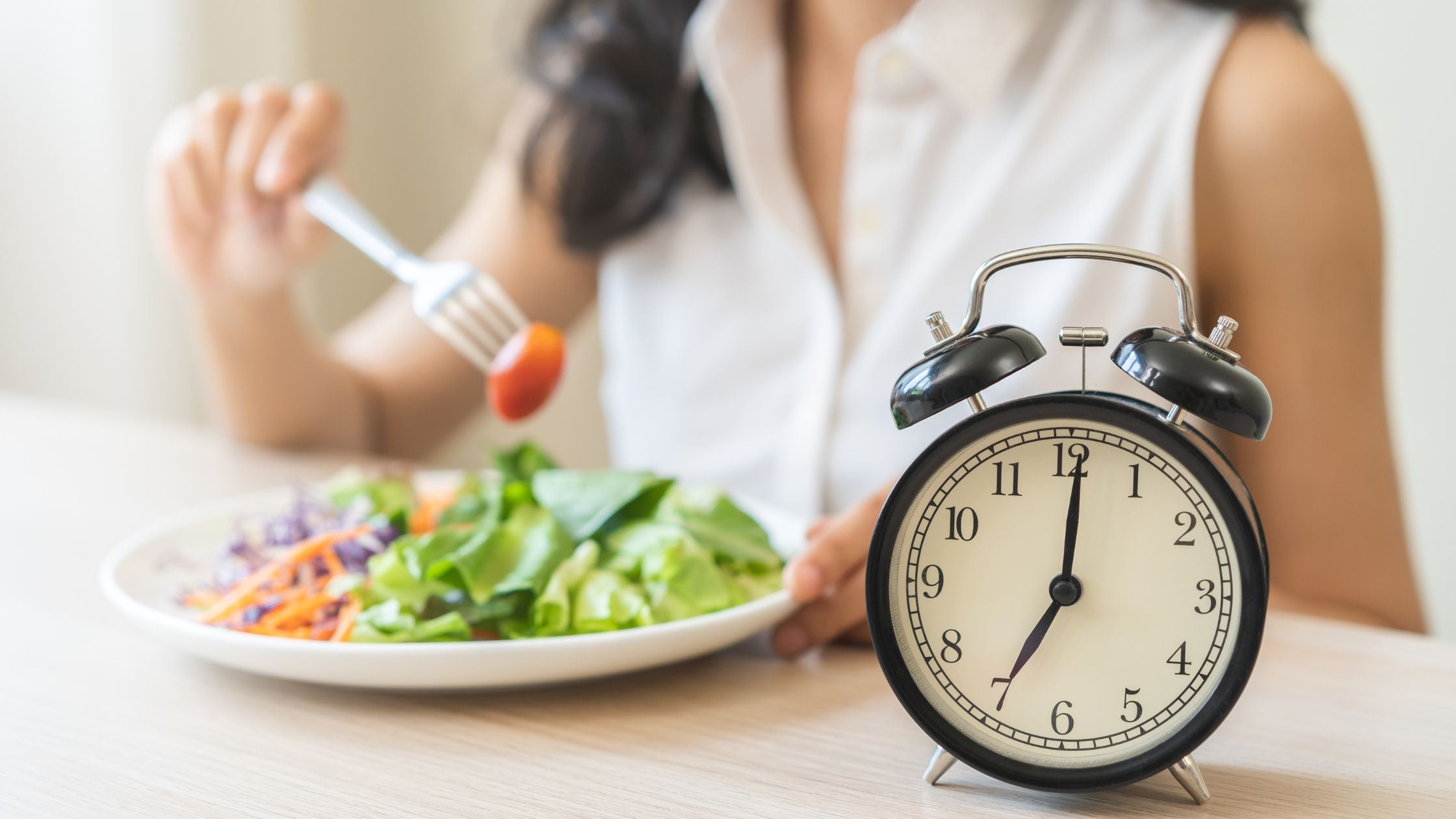
Fasting triggers autophagy, but sustained restriction sits awkwardly with building muscle, because muscle growth depends on feeding the very signals fasting removes. Spermidine engages autophagy through a different route, acting on the cell's acetylation machinery rather than through energy deficit, so research suggests it can support cellular cleanup without requiring the restriction that conflicts with training. In aging animal studies, spermidine paired with exercise supported muscle recovery.
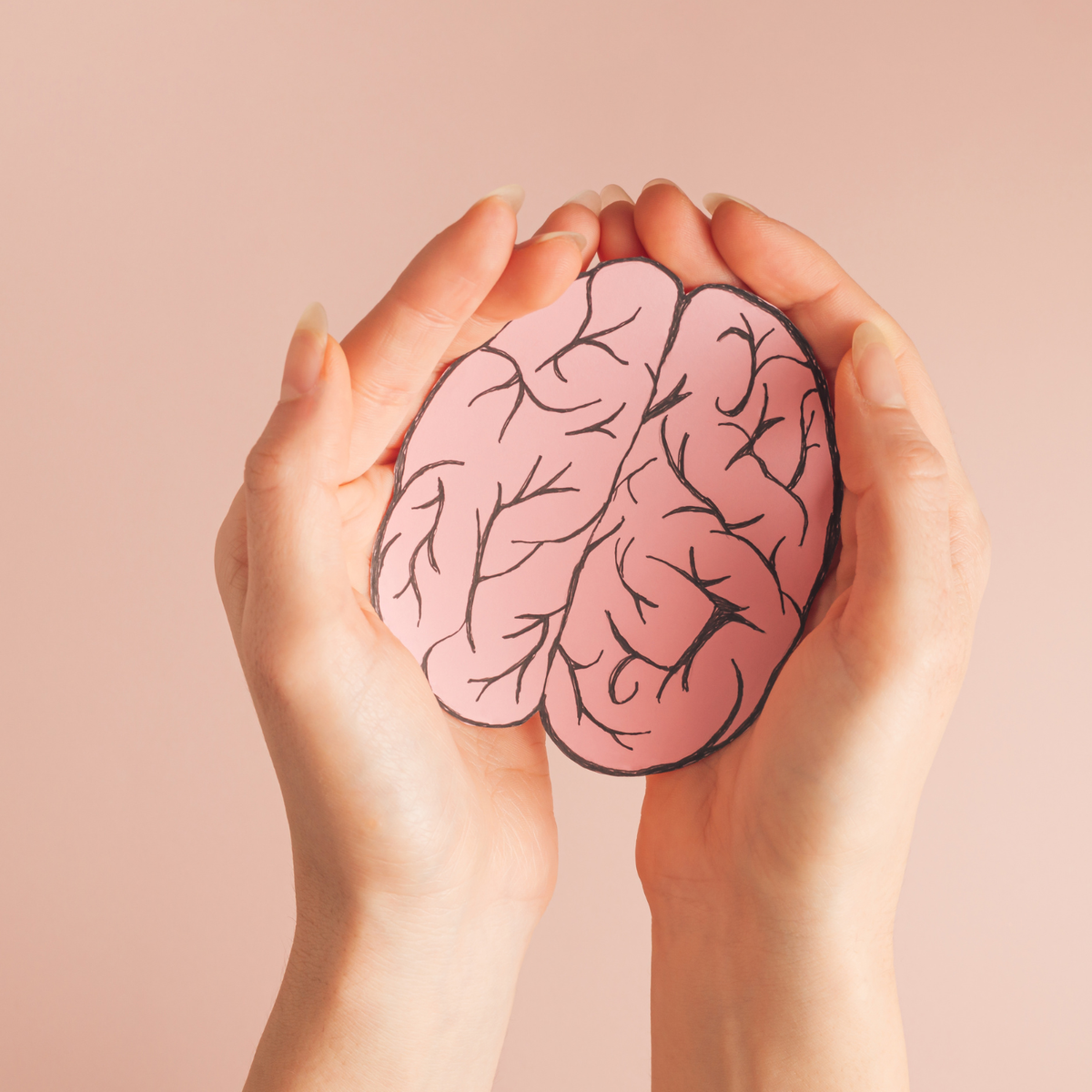
Neurons are a special case. Unlike dividing cells, they cannot dilute a buildup of damaged proteins across new cells, so they depend heavily on autophagy to clear that burden directly. This is the mechanistic reason spermidine is studied in the context of brain ageing. Spermidine may support autophagy in brain cells, a maintenance process that's function becomes increasingly important as the brain ages. For men specifically, cognitive decline and neurodegenerative risk are areas of growing interest across the male health space, making autophagy support for the brain a relevant consideration.
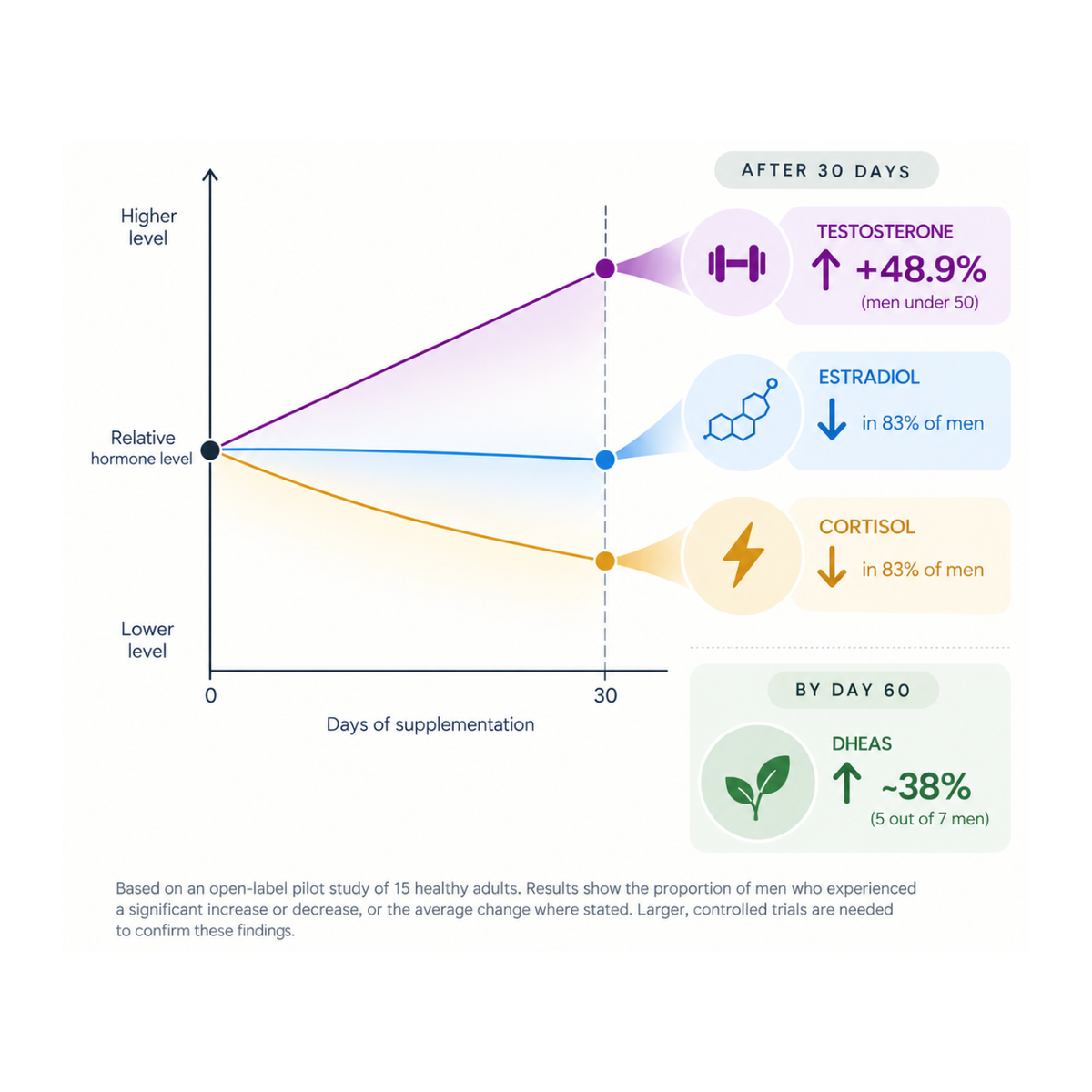
In a small clinical pilot study, after just 30 days of spermine and spermidine supplementation, 83% of men saw their cortisol levels fall, suggesting a potential role in supporting a healthier stress response. The study also found that testosterone increased by an average of 48.9% in men under 50, while 83% of men experienced a reduction in estradiol. Men need estradiol too, but maintaining an appropriate balance between testosterone and estradiol is important for male hormonal and reproductive health, so this shift may indicate a move towards a more favourable hormone balance. DHEAS, a hormone involved in energy, sexual health and the production of other hormones, also increased in 5 out of 7 men by Day 60.
Together, these early findings suggest that polyamines may have a role in supporting male hormone balance, stress response and reproductive health. As this was a small pilot study, larger controlled trials are needed to understand these effects more fully.
A 2016 study in Nature Medicine reported that spermidine extended lifespan in mice and improved cardiac function, with reduced cardiac hypertrophy and better diastolic performance. In humans, a large population study associated higher dietary spermidine intake with lower blood pressure, lower risk of heart failure, and lower all-cause mortality.
Resistance training, while it has health benefits, can damage proteins and clearing that damage is how positive adaptation happens. Autophagy does that clearing, and research suggests spermidine supports it in skeletal muscle, along with the mitochondrial function and muscle stem cell activity that maintenance depends on.
This is the mechanistic basis for spermidine's relevance to sarcopenia, the age-related loss of muscle mass.
Fasting triggers autophagy, but sustained restriction sits awkwardly with building muscle, because muscle growth depends on feeding the very signals fasting removes. Spermidine engages autophagy through a different route, acting on the cell's acetylation machinery rather than through energy deficit, so research suggests it can support cellular cleanup without requiring the restriction that conflicts with training. In aging animal studies, spermidine paired with exercise supported muscle recovery.
Neurons are a special case. Unlike dividing cells, they cannot dilute a buildup of damaged proteins across new cells, so they depend heavily on autophagy to clear that burden directly. This is the mechanistic reason spermidine is studied in the context of brain ageing. Spermidine may support autophagy in brain cells, a maintenance process that's function becomes increasingly important as the brain ages. For men specifically, cognitive decline and neurodegenerative risk are areas of growing interest across the male health space, making autophagy support for the brain a relevant consideration.
In a small clinical pilot study, after just 30 days of spermine and spermidine supplementation, 83% of men saw their cortisol levels fall, suggesting a potential role in supporting a healthier stress response. The study also found that testosterone increased by an average of 48.9% in men under 50, while 83% of men experienced a reduction in estradiol. Men need estradiol too, but maintaining an appropriate balance between testosterone and estradiol is important for male hormonal and reproductive health, so this shift may indicate a move towards a more favourable hormone balance. DHEAS, a hormone involved in energy, sexual health and the production of other hormones, also increased in 5 out of 7 men by Day 60.
Together, these early findings suggest that polyamines may have a role in supporting male hormone balance, stress response and reproductive health. As this was a small pilot study, larger controlled trials are needed to understand these effects more fully.

Does Primeadine have benefits for men?
Out of the 12 recognised hallmarks of aging, Spermidine has been shown to inhibit or positively influence 9 of them. By targeting these fundamental aspects of aging, this can lead to improved cellu...
Blog posts
Spermidine and Fertility: What The Research Suggests [Reviewed October 2026]
As the average age of first-time parents continues to rise globally, understanding and potentially mitigating age-related fertility decline has become increasingly important. Here, we discuss the e...
Spermidine and Fasting: What New Research Suggests About Autophagy
A study reported in Nature Cell Biology (August 2024) suggests that spermidine, a naturally occurring polyamine, plays a central role in the autophagy (cellular renewal) that researchers associate ...

Grip Strength, Longevity, And Tips For Your Strength Program
Exercise and strength are an important piece of the longevity puzzle. In recent years, one specific test of physical fitness, one which a personal trainer would rarely tell you to work on directly...
Spermidine and Healthy Aging: Insights from a 2026 Nature Review
A recent scientific review, The Role of Spermidine in Plants and Humans: A Pathway from Climate Change Adaptation to Health Benefits [1], brings together a comprehensive overview of evidence from n...
Does Spermidine Improve Memory & Cognition?
The search for ways to enhance memory and cognitive health has highlighted a fascinating compound called spermidine. Found in foods we eat every day, this molecule is gaining attention for its pot...
Where does Primeadine fit in your longevity supplement stack?
If you have spent any time in the longevity space, you will know that the supplement landscape has never been more exciting, or more crowded. NAD+ boosters, senolytics, urolithin A, resveratrol, be...

Spermidine and Fertility
Spermidine was originally discovered in seminal fluid in the 1670s and named for it, though it is present throughout the body. Its concentration in seminal plasma is genuinely high, which is where the reproductive interest begins.
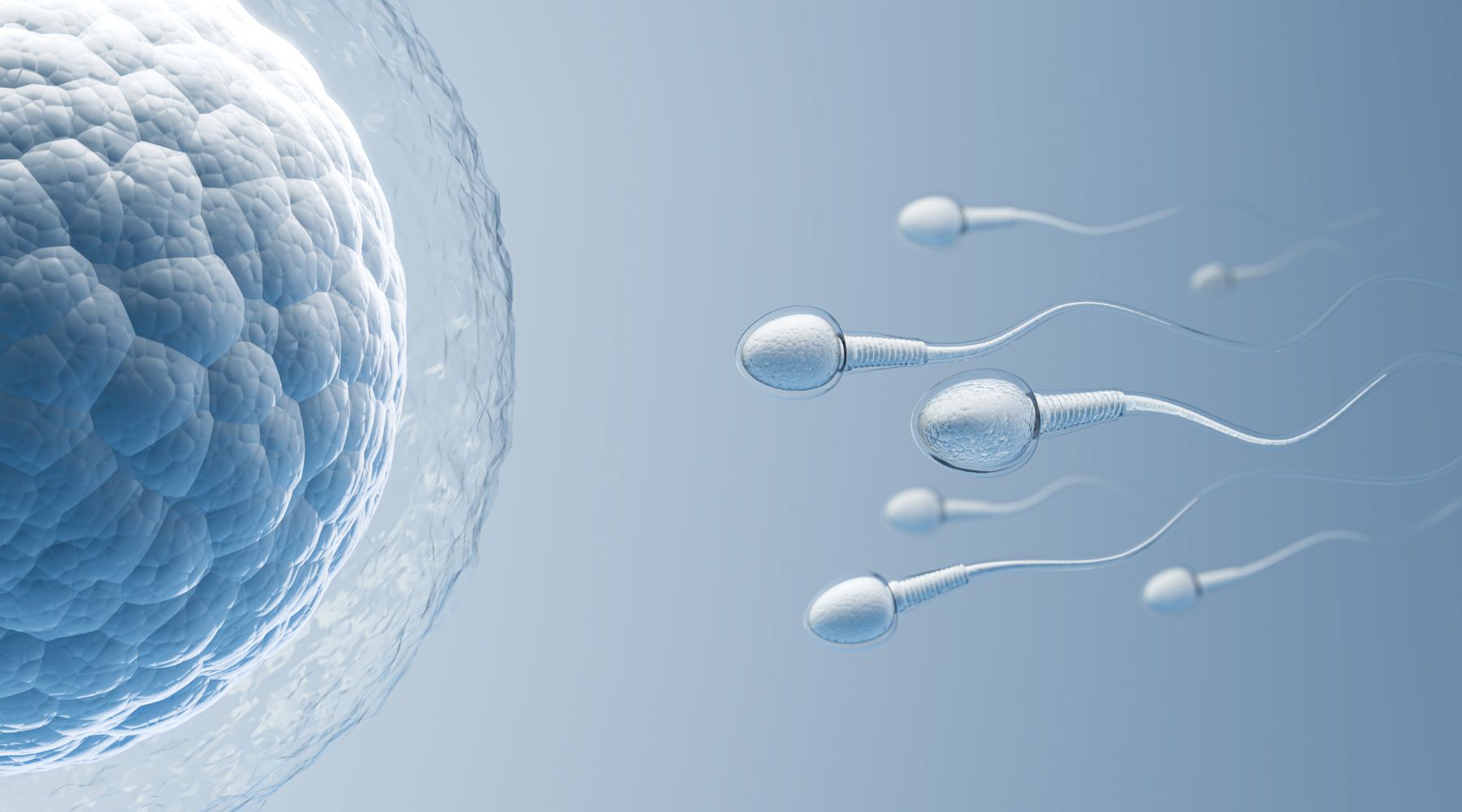
Spermidine and spermine occur at high concentrations in seminal plasma, where they appear to support sperm motility and stability, and polyamine levels have been associated with increased sperm quality measures. Animal research also links spermidine to the expression of genes involved in sperm production. For the full history and chemistry behind this, see is spermidine really in sperm?

Spermidine in the Body: Where It Comes From and How to Nourish Your Levels
Anton van Leeuwenhoek, the microscopy pioneer, described crystals in human semen in 1678, and named them spermine and spermidine. A few hundred years later, these crystals, now called polyamines, a...
Getting consistent spermidine
The body's own spermidine production declines with age, which is precisely when sleep quality tends to suffer most. Restoring levels through food-derived spermidine supplementation is one of the most direct ways to support the cellular environment that restorative sleep depends on.
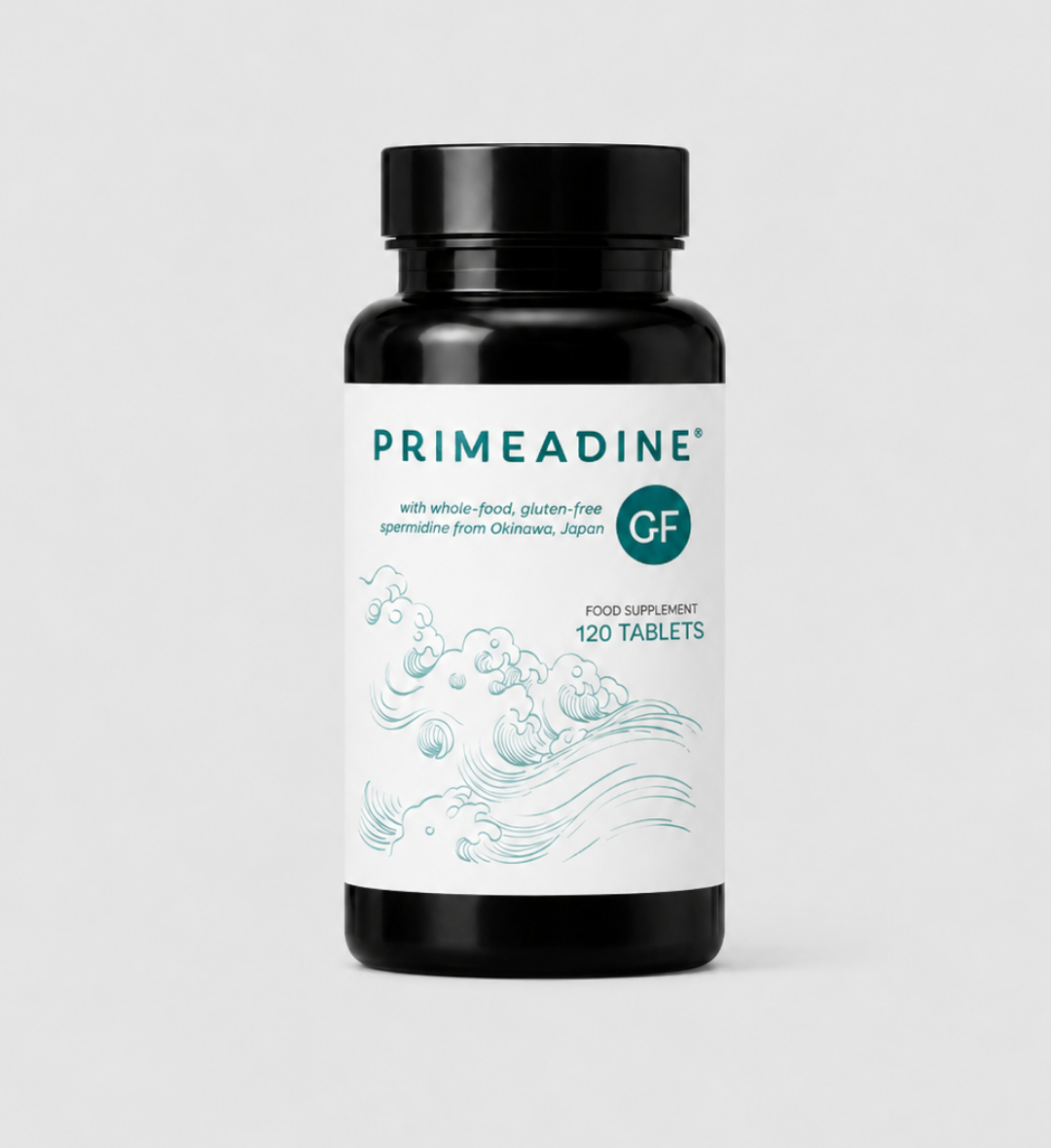
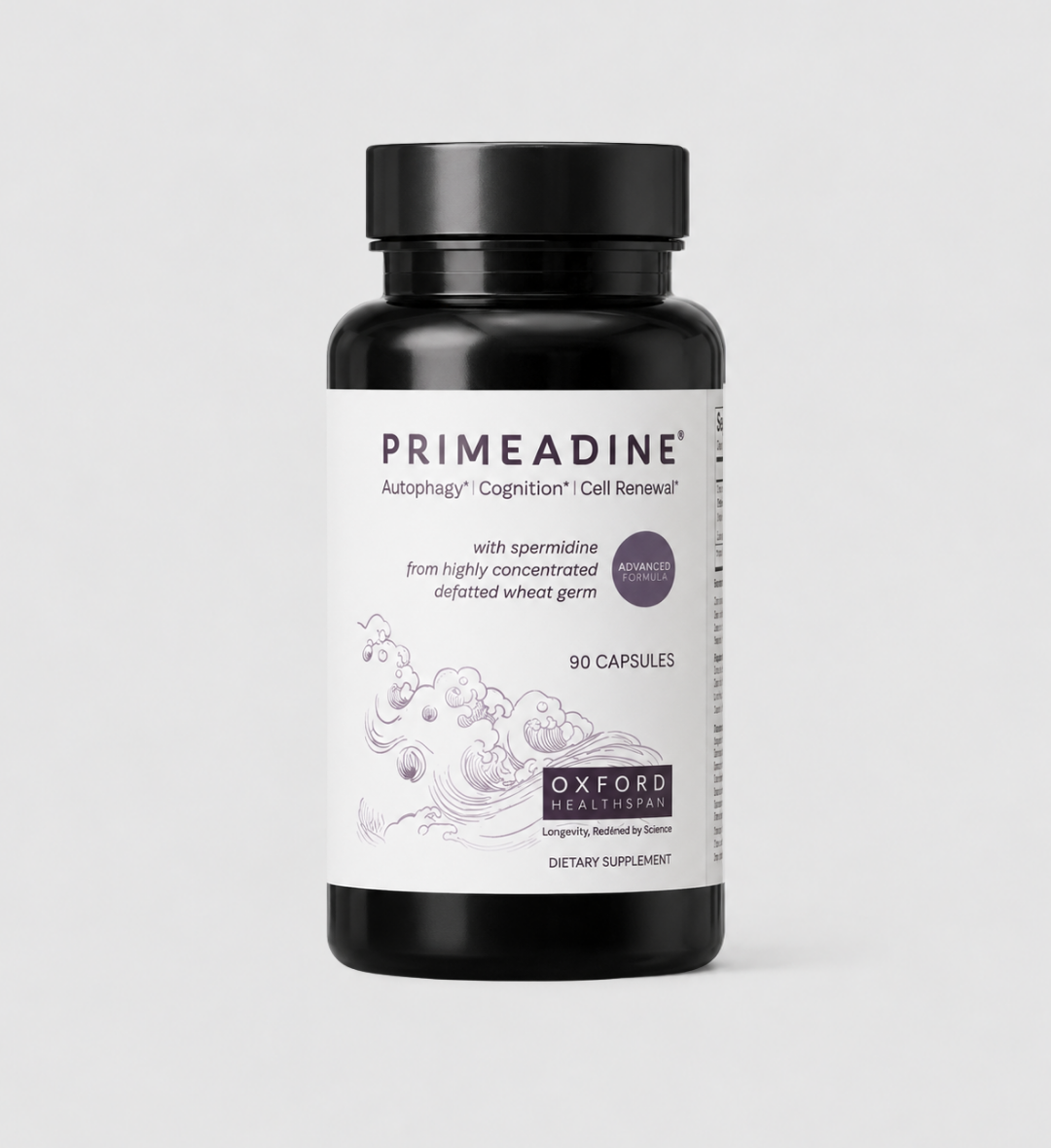
Primeadine is the world's leading whole-food spermidine supplement, derived from Japan and third-party tested for purity and potency. Over a quarter of our customers report improved sleep as one of the first benefits they notice.