
If you've been researching spermidine supplements, you've likely come across the term "liposomal." It sounds impressive, like an upgrade. But when it comes to spermidine specifically, the liposomal argument doesn't hold up to scrutiny, and understanding why will help you make a far more informed choice.
What does liposomal mean?
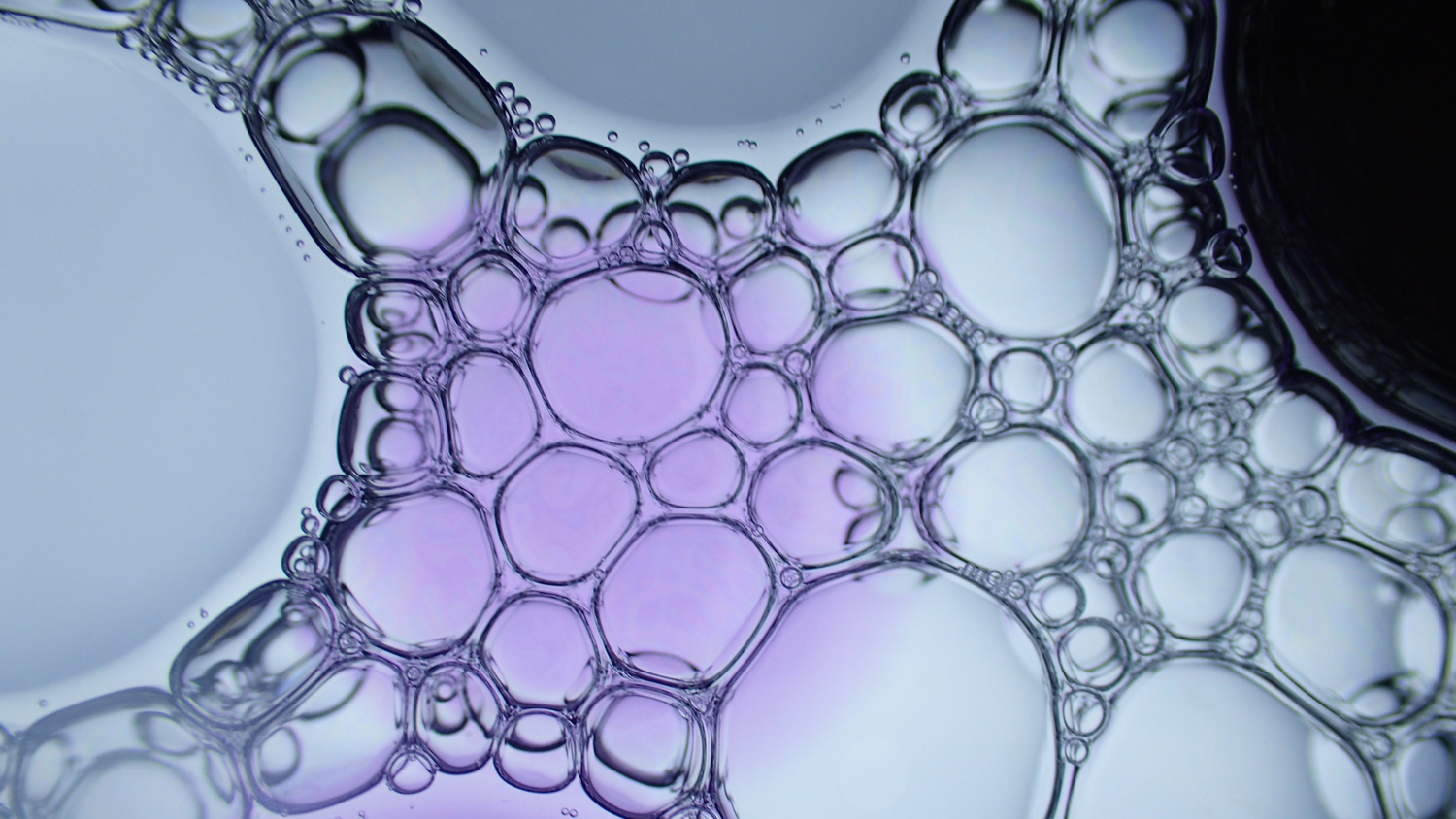
Liposomal delivery wraps a compound in a lipid (fat) bubble called a liposome. The idea is that this coating protects the molecule from degradation in the digestive tract and improves its absorption into the bloodstream. For certain compounds, such as some medications, vitamin C, and glutathione, liposomal delivery has genuine merit as these molecules face real absorption challenges when taken orally.
The key question for any supplement is: does this particular compound actually need that protection? For spermidine, the answer is no.
Spermidine is designed by nature to survive digestion
Spermidine is a polyamine, a naturally occurring compound produced by every cell in your body and found in whole foods such as wheat germ, fermented foods like the Japanese soybean dish called natto, aged cheese, and shiitake mushrooms. Your body has been producing spermidine and absorbing it from food since the day you were born. It has highly evolved, dedicated transport mechanisms for doing so. The gut is not a barrier to spermidine; it is a gateway.
Food-derived spermidine doesn’t need special delivery systems because your body already knows how to handle it. Studies have shown that polyamines from food are absorbed through the intestinal wall and distributed throughout the body, where they are utilized by growing tissues [1]. For example, the pivotal 2016 study published in Nature Medicine by Eisenberg and colleagues used wheat germ-derived spermidine (not liposomal, or synthetic) to demonstrate spermidine’s cardiovascular protective effects and lifespan extension [2].
Subsequent human trials followed the same approach: using food-derived spermidine from wheat germ extract, delivered orally and absorbed naturally [3][4]. The results were measurable improvements in heart health, autophagy activation, and longevity markers.
Critically, no human clinical trials have been published demonstrating that liposomal spermidine outperforms food-derived forms. The entire evidence base for spermidine’s benefits was built on food-derived sources.
Where liposomal technology adds complexity without benefit
There are some practical reasons to be cautious about liposomal spermidine.
Liposomal formulations are technically complex to produce consistently. The quality of the liposomes themselves (their size, stability, and integrity) varies significantly between manufacturers and is difficult to verify without specialist testing. A poorly made liposomal product may actually deliver less of the active compound than a well-made whole-food supplement, because the liposomes degrade before they do their job.
There is also the question of what the liposomes are made from. Phospholipids derived from soy or sunflower are common, adding ingredients and potential allergens to a formula that simply doesn't require them.
What actually matters for spermidine absorption
Rather than asking whether a spermidine supplement is liposomal, the questions worth asking are these: Is the purity and potency verified by independent testing? Is it derived from a whole-food source the body recognizes? Does it deliver the clinically relevant dose of 1mg and not exceed the European Safety Agency's recommended upper limit of 6mg? Is it free from synthetic additives, heavy metals, and other contaminants?
These are the markers of a spermidine supplement that will genuinely support your healthspan. Primeadine is tested batch by batch by the Japan Food Research Laboratories for spermidine content, heavy metals, pesticides, herbicides, and mycotoxins. It is food-derived, naturally bioavailable, and formulated around the dose proven in human trials to be effective.
Conclusion
Liposomal delivery is a valuable technology for compounds that struggle to survive the digestive process. Spermidine is not one of them. When you choose a food-derived spermidine supplement, you are working with a molecule your body has always known how to absorb, from a source it has always known how to use. That is not a compromise. That is the point.
References
-
Schwarz, C., Benson, G. S., Horn, N., Wurdack, K., Grittner, U., Schilling, R., Märschenz, S., Köbe, T., Hofer, S. J., Magnes, C., Stekovic, S., Eisenberg, T., Sigrist, S. J., Schmitz, D., Wirth, M., Madeo, F., & Flöel, A. (2022). Effects of spermidine supplementation on cognition and biomarkers in older adults with subjective cognitive decline: A randomized clinical trial. JAMA Network Open, 5(5), e2213875. https://doi.org/10.1001/jamanetworkopen.2022.13875



Leave a comment
All comments are moderated before being published.
This site is protected by hCaptcha and the hCaptcha Privacy Policy and Terms of Service apply.