Your guide to deeper, more restorative rest
Spermidine & sleep
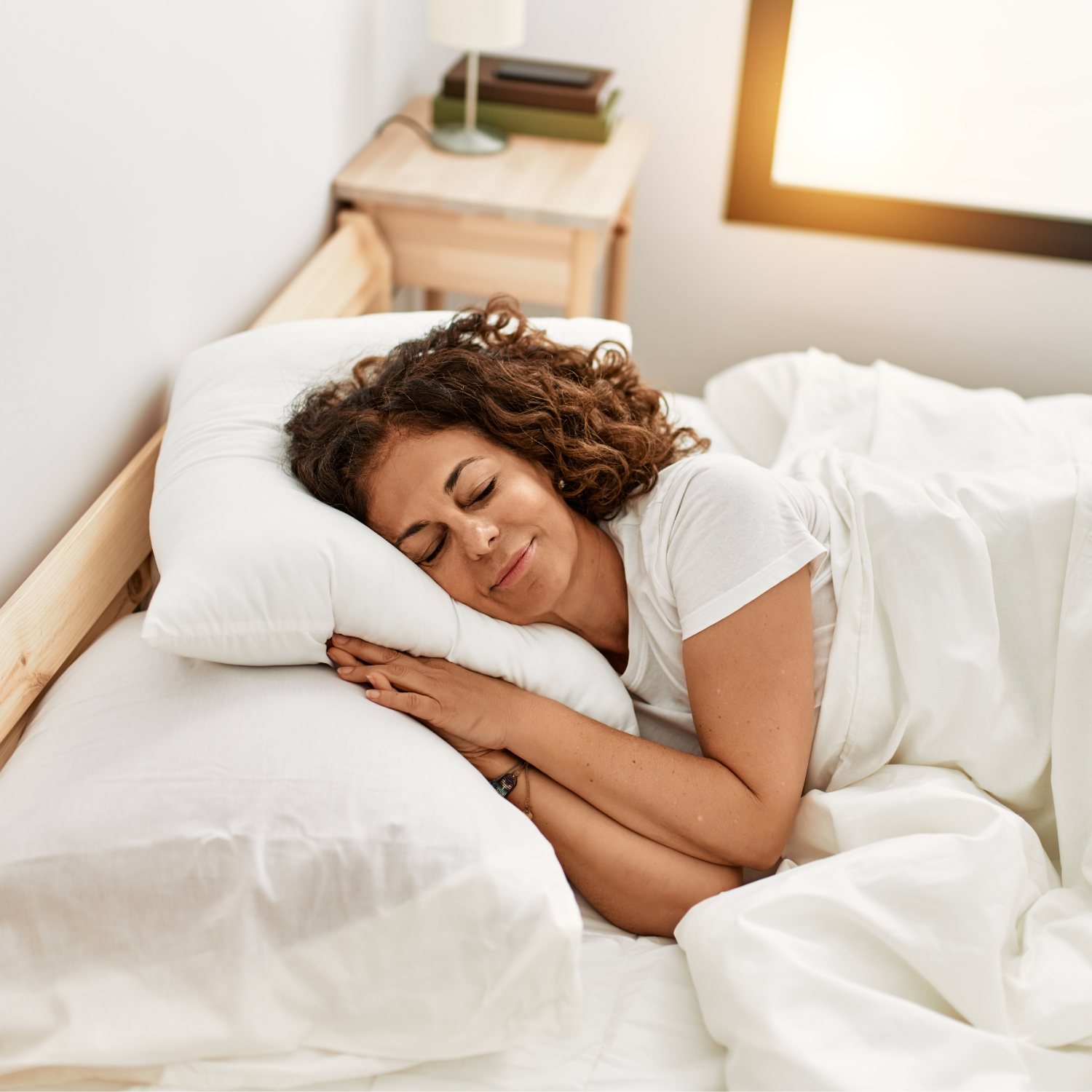
Most people accept poor sleep as an unavoidable side effect of getting older. Lighter nights, earlier wake-ups, the frustrating sense that truly deep, restorative rest is slipping away. But the science tells a different story, and spermidine is at the center of it.
This is your guide to understanding the relationship between spermidine and sleep: why it matters, how the science works, and what you can do about it.

Why sleep is the foundation of longevity
Sleep is not passive recovery. It is when your body does some of its most active work: consolidating memory, regulating hormones, clearing metabolic waste from the brain, and repairing cellular damage accumulated during the day. The research is unambiguous. Consistent, quality sleep is one of the strongest predictors of healthy longevity.
What is less well known is that sleep architecture changes significantly with age. Deep slow-wave sleep, the most physically restorative stage, declines sharply from midlife onwards. This is not inevitable. It is, in large part, biological, and biology can be influenced.
Understanding the biology
How spermidine supports sleep
Spermidine works differently from conventional sleep supplements. Rather than sedating the nervous system, it supports the underlying cellular conditions that make genuine rest possible. There are three key mechanisms worth understanding.
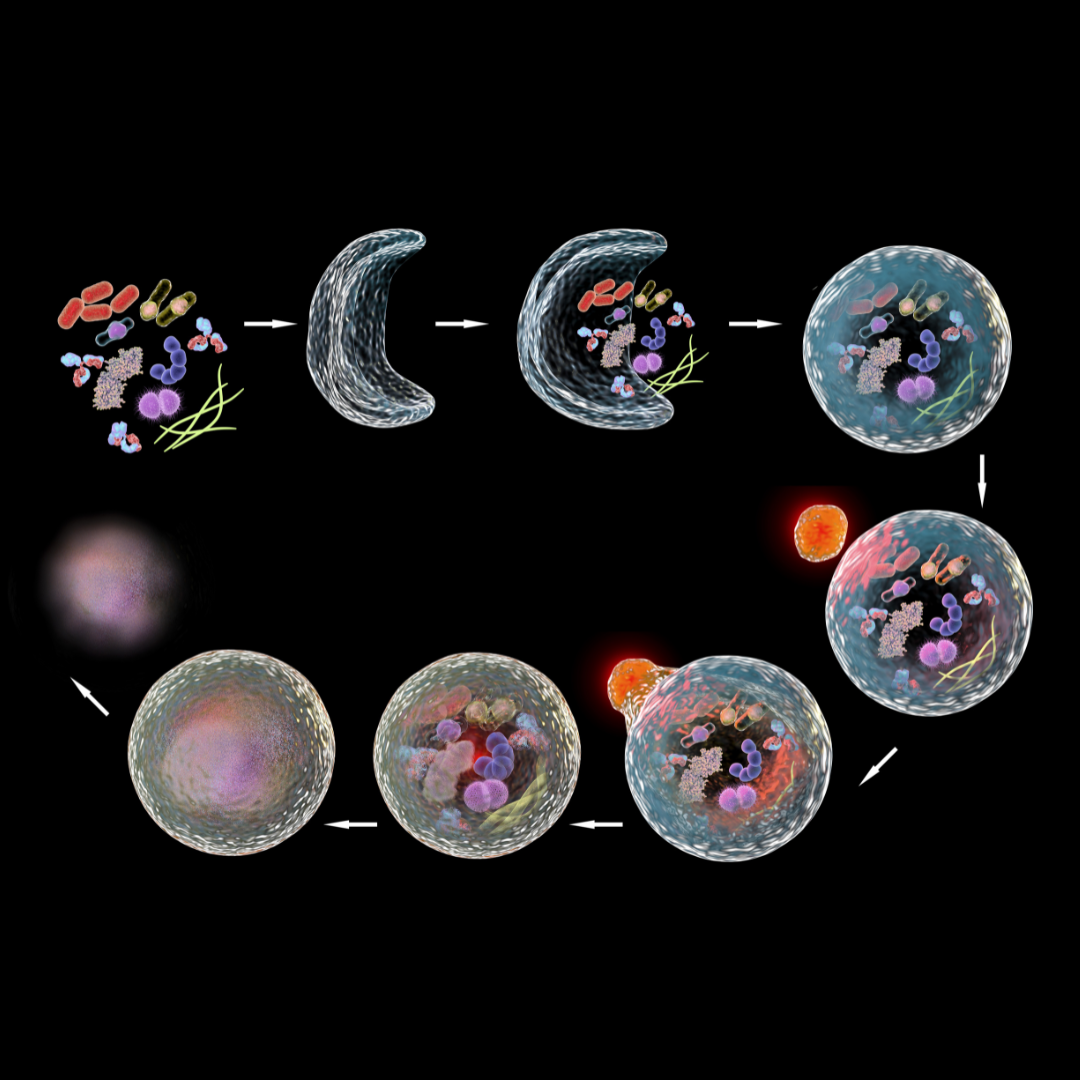
Spermidine is the most well-studied natural inducer of autophagy, the process by which cells clear damaged components and regenerate. During sleep, autophagy is significantly upregulated. It is one of the primary reasons the brain requires extended periods of rest. By supporting this process at a cellular level, spermidine helps the body make the most of the restorative window that sleep provides.

Emerging research suggests that spermidine plays a role in regulating circadian rhythm, the internal clock that governs sleep-wake cycles. As spermidine levels decline with age, circadian function can become less precise. Supporting polyamine levels may help restore the regularity that makes sleep predictable and restorative.
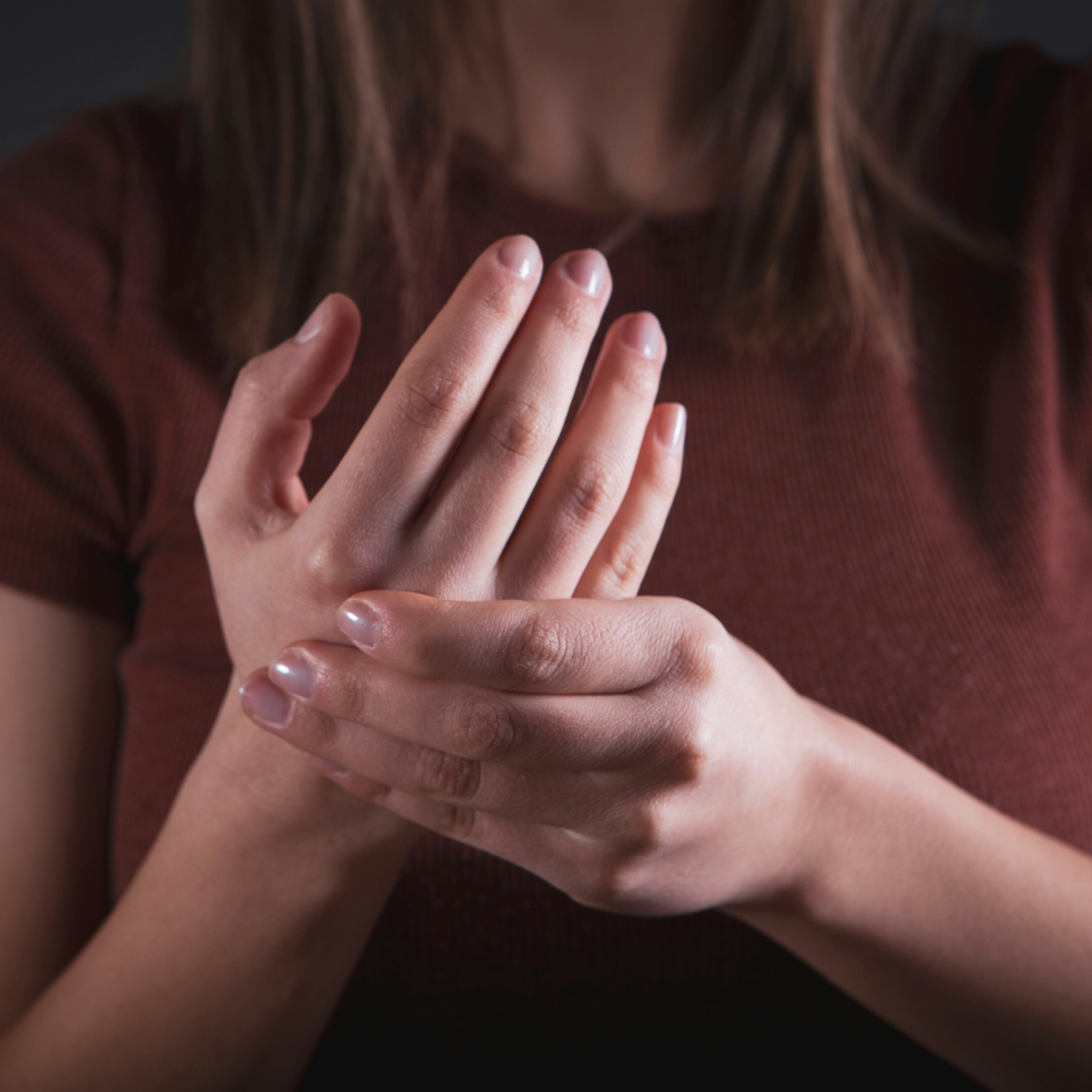
Chronic low-grade inflammation, sometimes called "inflammaging," is closely associated with poor sleep quality in midlife and beyond. Spermidine has documented anti-inflammatory properties, and reducing systemic inflammation has a measurable effect on both sleep onset and sleep depth.
Spermidine is the most well-studied natural inducer of autophagy, the process by which cells clear damaged components and regenerate. During sleep, autophagy is significantly upregulated. It is one of the primary reasons the brain requires extended periods of rest. By supporting this process at a cellular level, spermidine helps the body make the most of the restorative window that sleep provides.
Emerging research suggests that spermidine plays a role in regulating circadian rhythm, the internal clock that governs sleep-wake cycles. As spermidine levels decline with age, circadian function can become less precise. Supporting polyamine levels may help restore the regularity that makes sleep predictable and restorative.
Chronic low-grade inflammation, sometimes called "inflammaging," is closely associated with poor sleep quality in midlife and beyond. Spermidine has documented anti-inflammatory properties, and reducing systemic inflammation has a measurable effect on both sleep onset and sleep depth.
How to restore your sleep naturally
Spermidine works best as part of a broader approach to sleep health. The research on sleep restoration consistently points to a combination of cellular support, light regulation, nutrition, and nervous system care.
Sleep-supportive recipes
What you eat in the evening has a direct influence on how well you sleep. These recipes are built around spermidine-rich whole foods and complementary ingredients that support relaxation and cellular repair overnight.

Enjoy a blissful night’s rest with our take on the TikTok-trending "Sleepy Girl" Mocktail recipe. A delicious blend of melatonin-rich tart cherry juice, soda water, relaxing magnesium and circadian rhythm-regulating Primeadine spermidine, it’s the perfect alcohol-free tipple to send you straight to sleep after a long day.
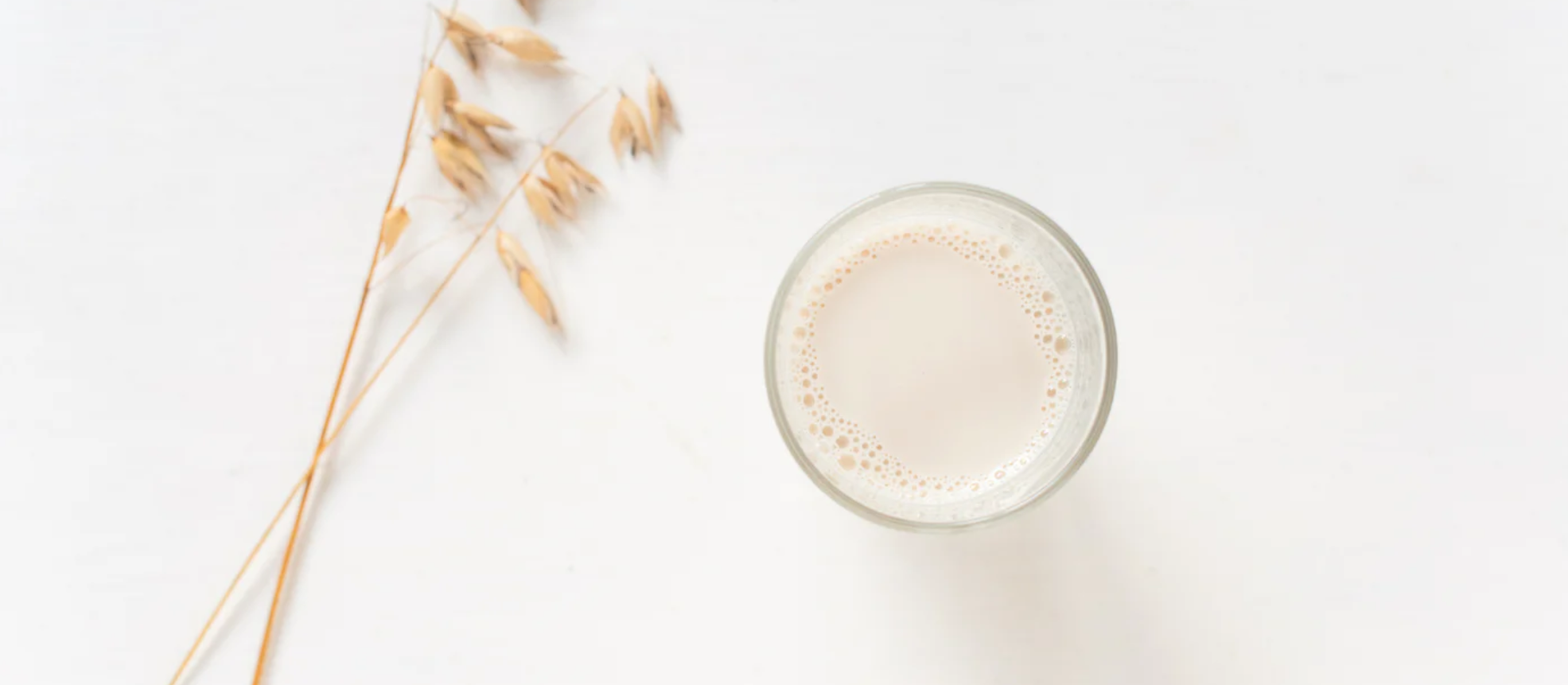
Looking for a simple way to improve your sleep but aren't a fan of herbal teas? This sleepy time shake by biohacker Nathalie Niddamis delicious and effective at calming the nervous system and regulating the circadian rhythm.
Enjoy a blissful night’s rest with our take on the TikTok-trending "Sleepy Girl" Mocktail recipe. A delicious blend of melatonin-rich tart cherry juice, soda water, relaxing magnesium and circadian rhythm-regulating Primeadine spermidine, it’s the perfect alcohol-free tipple to send you straight to sleep after a long day.
Looking for a simple way to improve your sleep but aren't a fan of herbal teas? This sleepy time shake by biohacker Nathalie Niddamis delicious and effective at calming the nervous system and regulating the circadian rhythm.
Getting consistent spermidine
The body's own spermidine production declines with age, which is precisely when sleep quality tends to suffer most. Restoring levels through food-derived spermidine supplementation is one of the most direct ways to support the cellular environment that restorative sleep depends on.
Primeadine is the world's leading whole-food spermidine supplement, derived from Japan and third-party tested for purity and potency. Over a quarter of our customers report improved sleep as one of the first benefits they notice.